

Choosing the right infant girl shoes is about more than just finding a cute style. It’s about protecting her tiny feet and giving them the support they need to develop naturally. This guide is for parents who want clear, practical advice on finding that perfect first pair without the stress.
What to Look for in Your Baby Girl’s First Shoes
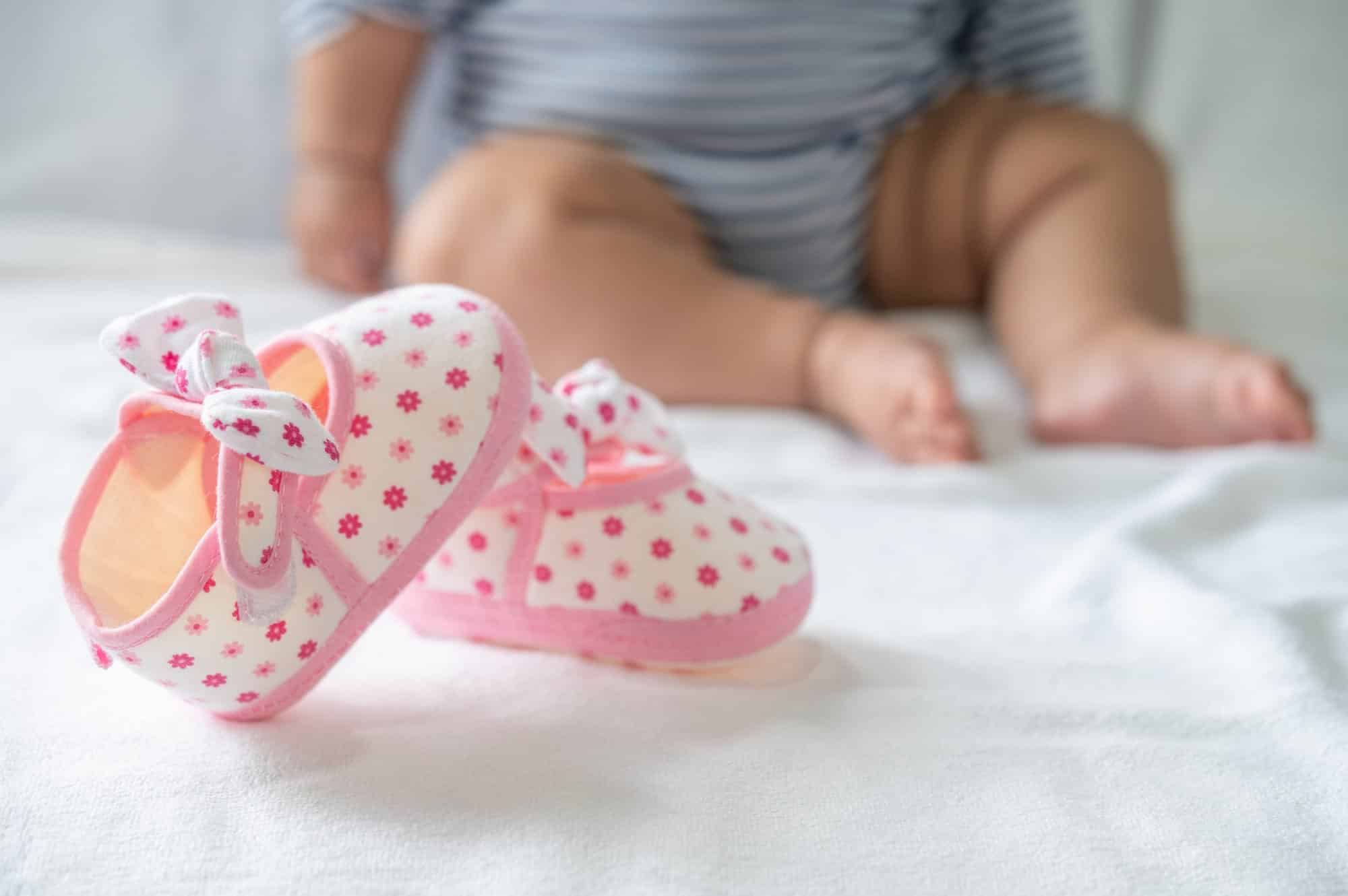
Stepping into the world of baby footwear can feel surprisingly complicated. You will see soft-soled booties, sturdy-looking sneakers, and dozens of other options. It is easy to feel a little lost.
The goal is simple: find shoes that support her feet without getting in the way. Before she is walking, going barefoot is fantastic for development. It helps strengthen the muscles in her feet and ankles and improves her balance. Once she starts cruising or taking her first steps outdoors, shoes become a necessity for protection.
When you are shopping for infant girl shoes, keep these practical points in mind.
Flexible Soles: A baby’s first shoe should bend easily where the ball of her foot is. If the sole is too stiff, it restricts her natural movement.
Wide Toe Box: Her little toes need room to spread out when she stands. A narrow shoe can squish them together and throw off her balance.
Breathable Materials: Baby feet get sweaty. Look for materials like soft leather, canvas, or mesh that let air circulate.
Secure Fit: The shoe should fit snugly around her heel and midfoot to stop it from slipping off, but with enough room up front for her toes to wiggle. You can learn more about getting the right fit in our guide to baby footwear.
Our Top 5 Infant Girl Shoe Recommendations
We have sorted through countless options to find five standout pairs that parents consistently love. Our picks are based on comfort, flexibility, ease of use, and overall quality. Here are our top picks available on Amazon.
#1 Best Overall:

The Stride Rite Artie is our pick for the best all around infant girl shoe because it perfectly balances support and flexibility. It is a fantastic choice for babies who are just starting to stand, cruise, and take their first independent steps. The design features a rounded, roomy toe box that lets her toes spread out naturally, which is important for balance.
Pros
APMA Seal of Acceptance for promoting healthy foot development
Flexible outsole designed to move with her foot
Easy hook and loop closure
Memory foam insole for soft cushioning
Available in standard, wide, and extra wide sizes
Cons
Higher price point compared to other options
Some parents report a short break in period
Limited color selection
Who this product is best for
The Stride Rite Artie is ideal for parents looking for a reliable, podiatrist-approved first walker shoe that puts developmental support first.
#2 Best Value:

For a cozy, affordable, and cute option for the pre-walker stage, the Hudson Baby Faux Fur Booties are our top value pick. Think of them less as a “shoe” and more as a soft, protective covering to keep little feet warm and secure. Made from plush materials, they are gentle on sensitive skin and perfect for stroller rides or lounging at home.
Pros
Extremely affordable price
Soft, cozy, and warm plush lining
Adjustable closure helps keep them on
Machine washable for easy cleaning
Available in many cute designs and colors
Cons
Not suitable for walking; soles have no grip
Sizing can be inconsistent
Synthetic materials are not very breathable
Who this product is best for
These booties are perfect for newborns and infants up to about 9 months old who are not walking yet. They are a great choice for parents who need a simple, soft, and warm foot covering on a budget.
#3 Best Premium Option:

When you are ready to invest in a premium shoe, the See Kai Run Stevie II stands out. This shoe is engineered for first steps, with an exceptionally flexible rubber sole that mimics the feel of walking barefoot. The soft leather upper molds to your baby’s foot for a comfortable, almost custom fit. The global market for toddler shoes was valued at US$10.5 billion in 2023 and is projected to reach USD 16.8 billion by 2032, showing how much parents prioritize quality footwear. You can discover more insights about this growing market from DataIntelo.
Pros
Exceptionally flexible rubber sole promotes good balance
High quality materials like a soft leather upper and breathable lining
Lightweight design does not interfere with walking practice
Also has the APMA Seal of Acceptance for good foot health
Comes in a range of modern, attractive colors
Cons
One of the more expensive options
Soft leather can show scuffs and wear quickly
Some parents find the fit a bit narrow
Who this product is best for
The See Kai Run Stevie II is the best choice for parents willing to invest in a top tier shoe for their new walker, prioritizing flexibility, breathability, and premium materials.
#4 Best for Early Walkers:

Robeez is a name many parents trust, and their First Kicks line is designed perfectly for the transition from crawling to walking. These shoes bridge the gap between a soft crib shoe and a more structured walker. The split rubber sole provides just enough grip for outdoor surfaces while staying incredibly flexible, letting your little one feel the ground.
Pros
Promotes natural foot function, close to a barefoot feel
Elastic ankle makes them easy to put on but hard to pull off
Non slip suede and rubber sole offers reliable traction
Lightweight and breathable leather construction
Cons
Provides less ankle support than a true first walker shoe
Suede parts of the sole can wear down with heavy outdoor use
Priced higher than many other soft soled options
Who this product is best for
Robeez First Kicks are perfect for babies who are active crawlers, cruisers, or just taking their first steps. They are an excellent choice for parents who want a protective layer for daycare or the park.
#5 Best for Style:

For parents who want a stylish, comfortable, and practical shoe for their pre-walker, the BirdRock Baby Classic Moccasins are a clear winner. Made from 100% genuine leather, these moccasins are incredibly soft and durable. They have a gentle elastic opening that makes them easy to slip on and, more importantly, keeps them on. The company also donates food to a child in need for every pair purchased.
Pros
High quality genuine leather is soft, durable, and breathable
Elasticized ankle is very effective at keeping the moccasins on
Stylish and versatile, available in a huge array of colors
Comes with a lifetime guarantee
Cons
Soft leather sole offers no traction for walking outdoors
Lighter colors can stain easily
Completely flat with no structural support
Who this product is best for
These moccasins are the perfect infant girl shoes for pre-walkers (0 to 12 months) and for indoor use for new walkers. They are ideal for style conscious parents who want a beautiful, high quality shoe for everyday wear.
Comparison Summary
To make your decision easier, this simple comparison chart lays out the top five infant girl shoes side by side so you can see how they stack up on the features that matter most. The market for quality baby shoes is growing, showing that parents value footwear that truly supports healthy foot development.
| Product Name | Best For | Sole Type | Closure System | Price Range |
|---|---|---|---|---|
| Stride Rite Artie | Overall Support | Flexible Rubber | Hook-and-Loop | $$ |
| Hudson Baby Booties | Value & Warmth | Soft Fabric | Hook-and-Loop | $ |
| See Kai Run Stevie II | Premium Quality | Ultra-Flexible Rubber | Hook-and-Loop | $$$ |
| Robeez First Kicks | Early Walkers | Split Suede/Rubber | Elastic Ankle | $$ |
| BirdRock Moccasins | Style & Pre-Walkers | Soft Leather | Elastic Ankle | $$ |
FAQs
Choosing shoes for your baby brings up a lot of questions. Here are clear, straightforward answers to the most common concerns.
When does my baby actually need to wear shoes?
For babies who are not walking yet, barefoot time is best for muscle development. Pre-walker shoes are mostly for warmth or style. You only need true "first walker" shoes once your baby starts walking in places where their feet need protection, like outdoors.
How do I measure my infant's feet correctly at home?
Measure while they are standing up, since their feet spread out under their weight. Have your baby stand on a piece of paper, trace around her foot, and then measure from the heel to the tip of her longest toe. Add about half an inch for wiggle room and compare that measurement to the brand’s size chart.
How often should I check if her shoes still fit?
Baby feet grow fast. It is a good habit to check the fit of her shoes every 6 to 8 weeks. You should be able to press your thumb between the end of her longest toe and the front of the shoe. If there is less space, it is time to size up. The baby shoe market is now a USD 43.5 billion industry as parents prioritize features for growing feet. Learn more about the baby shoe market findings from Future Market Insights.
Are soft-soled or hard-soled shoes better for infants?
It depends on your baby's stage. Soft-soled shoes are perfect for pre-walkers and for indoor use, as they allow for natural foot movement. Flexible, hard-soled shoes are better for new walkers exploring outdoors, offering more protection from rough surfaces.
Can my baby wear hand-me-down shoes?
It is generally best to avoid used shoes. Shoes tend to mold to the foot of the original wearer and might not provide the right support for your baby’s unique foot shape.
What is the most important feature in a first-walker shoe?
The most important feature is a flexible, non-slip sole. The shoe should bend easily where the ball of her foot is, allowing her to move naturally, while good grip helps prevent slips and falls.
Should my baby wear socks with her shoes?
Yes, it is a good idea for babies to wear socks with their shoes. Socks help prevent rubbing and blisters, and they also absorb sweat, keeping her feet more comfortable and hygienic. For more ideas on putting outfits together, check out our guide on coordinating baby girl outfits.
Conclusion
Let's do a quick recap of our top recommendations to help you make that final choice.
-
The Stride Rite Artie is our #1 Best Overall pick for a reliable, all around shoe that supports healthy foot growth.
-
The Hudson Baby Booties are the #2 Best Value for parents on a budget who need a simple, warm covering for pre-walkers.
-
The See Kai Run Stevie II is our #3 Best Premium Option if you want to invest in top quality materials and maximum flexibility.
The goal is to provide protection without restricting the natural movement that helps her build strength and balance. The global children's footwear market is projected to expand by USD 19.62 billion from 2024 to 2029, driven by parents seeking features that support healthy development. Discover more insights about the children's footwear market from Technavio. We hope this guide has made your decision easier. As she grows, you can explore more options in our complete guide to toddler footwear.
At Modern Parents Guide, we provide clear, practical advice to help you feel confident in your choices. Our goal is to simplify shopping so you can spend more time enjoying every moment with your little one. Find more parent-approved guides and recommendations at https://modernparentsguide.com.
