
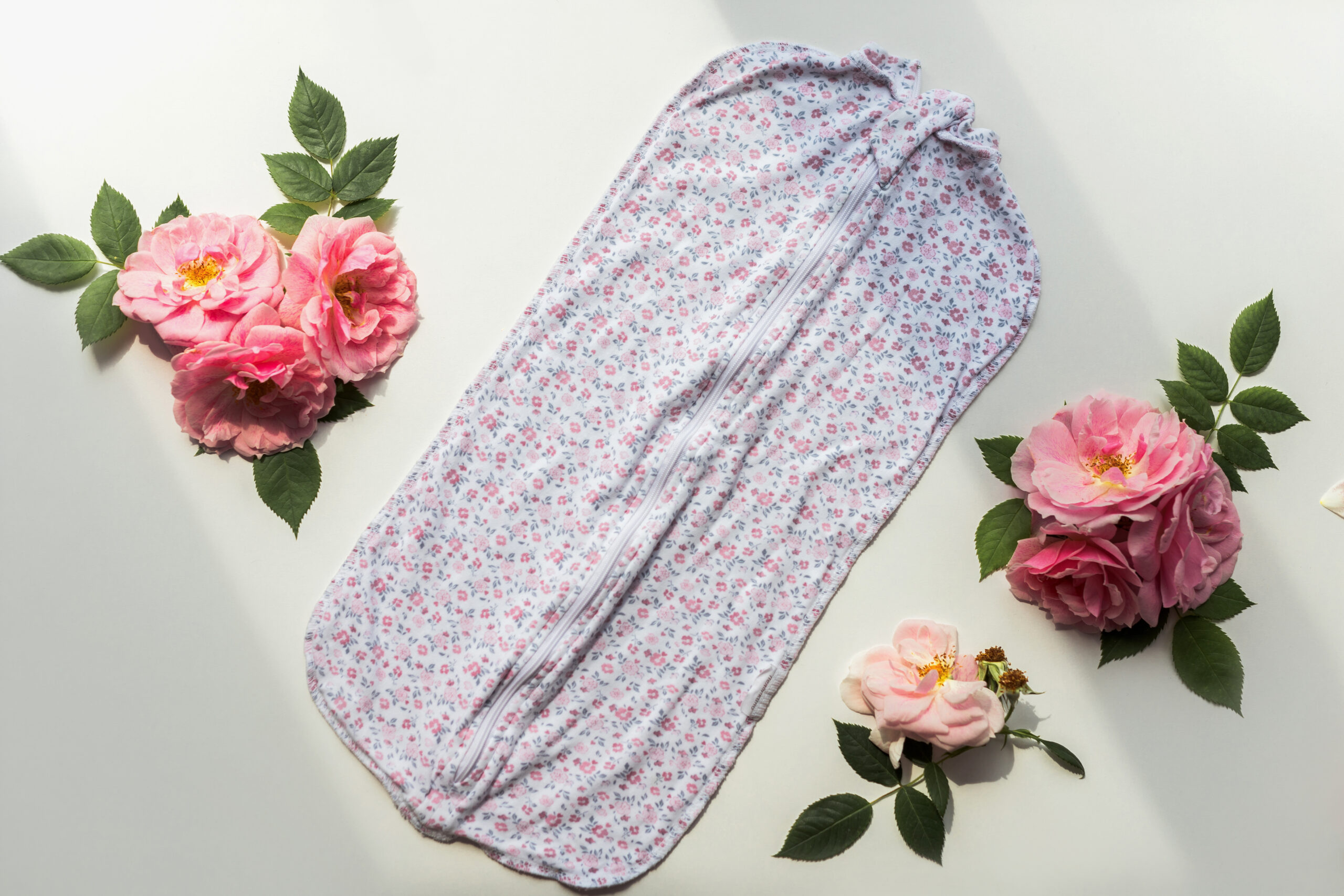
A baby sleeping bag, often called a sleep sack, is a wearable blanket designed to keep your little one warm and comfortable without the safety risks of loose blankets in the crib. Sleeping bag baby options are simple solutions that help babies (and parents) sleep more soundly, making it an essential item for the modern nursery.
This guide is for parents trying to choose the right sleeping bag for their baby or toddler. We’ll walk you through what really matters, helping you make a confident choice so everyone can get a better night’s rest.
What to Consider Before Buying
Choosing the right baby sleeping bag comes down to a few key things that ensure your baby is both safe and comfortable.
- TOG Rating: This is simply a measure of warmth. We’ll explain how to match the TOG rating to your nursery’s temperature, so your baby stays just right, not too hot or too cold.
- Safe Fit: The fit is crucial for safety. A sleeping bag should be snug around the chest so your baby can’t slip down inside, but roomy at the bottom for healthy hip movement.
- Material: Breathable, soft fabrics like cotton or merino wool are best for a baby’s sensitive skin and help regulate their body temperature.
A sleeping bag also becomes a positive sleep cue. Zipping your baby into their cozy sack can signal that it’s time to wind down, helping to establish a calm and predictable bedtime routine.
The 5 Best Baby Sleeping Bags of 2024

We’ve reviewed dozens of sleeping bags to find the ones that deliver on safety, comfort, and practical design. Our list is based on what busy parents need: quality materials, thoughtful features, and reliable performance. Every sleeping bag baby option here is available on Amazon.com to make shopping simple.
#1 Best Overall:

The Halo SleepSack is a trusted favorite, often used in hospitals, which speaks to its safety and reliability. Made from soft microfleece, it’s designed to replace loose blankets in the crib and follows safe sleep guidelines. Its roomy sack design allows for healthy hip development, while the inverted zipper makes nighttime diaper changes quick and easy.
- Pros: Inverted zipper for easy diaper changes, “Back is Best” embroidery as a safety reminder, generous sizing for leg movement, soft and warm material.
- Cons: Microfleece can sometimes pill after washing, sizing may run a little large.
- Who this product is best for: Parents looking for a hospital-recommended, safe, and practical sleeping bag that simplifies nighttime routines.
#2 Best Value:

This two-pack from Simple Joys by Carter’s offers excellent quality at a budget-friendly price. The sleeping bags are made from a soft, lightweight fleece suitable for year-round use in most climates. Having a spare is incredibly convenient for laundry day, and a protective zipper tab at the neckline prevents irritation.
- Pros: Excellent value with two sleep sacks per pack, soft and lightweight fleece, zipper safety tab protects baby’s chin, trusted brand quality.
- Cons: The zipper can sometimes be tricky to start, the material is thinner than some premium options.
- Who this product is best for: Practical parents who want a reliable, comfortable, and affordable sleeping bag baby solution and appreciate having a backup on hand.
#3 Best Premium Option:

The Woolino 4 Season Sleep Bag is a smart investment in your baby’s sleep comfort. It’s made with a merino wool lining that naturally regulates body temperature, keeping your baby comfortable in any season. Its universal size fits babies from 2 months to 2 years, eliminating the need to buy new sizes frequently.
- Pros: Merino wool allows for year-round use, one size lasts from 2 months to 2 years, hypoallergenic and soft on skin, features a two-way zipper and seatbelt slot for travel.
- Cons: High price point, wool requires special washing care.
- Who this product is best for: Parents willing to invest in a high-quality, long-lasting product made from natural materials that simplifies sleep year-round.
#4 Best for Summer:

When the weather is warm, the TILLYOU Wearable Blanket is an excellent choice. Made from 100% lightweight cotton, it is breathable and helps prevent overheating while still providing a cozy, secure feeling. It’s a simple, effective, and affordable option for summer nights or for babies who tend to sleep warm.
- Pros: Lightweight and breathable 100% cotton, soft and gentle on sensitive skin, affordable price, durable and holds up well to washing.
- Cons: May shrink slightly in the wash, has a basic design without a two-way zipper.
- Who this product is best for: Parents in warmer climates or those who need a lightweight option for summer. It’s also great for anyone seeking a simple, affordable cotton sleep sack.
#5 Best for Toddlers:

As babies grow into toddlers, the Burt’s Bees Baby Beekeeper offers the perfect combination of comfort and quality. Made from GOTS-certified organic cotton, it’s exceptionally soft and free from harmful chemicals. This sleeping bag has a slightly more substantial feel, providing a comforting weight that many toddlers appreciate.
- Pros: GOTS-certified organic cotton is soft and safe, thoughtful safety features like a zipper garage, durable and well-made, comforting weight for a secure feel.
- Cons: The fit is narrower than some other brands, it is priced higher than non-organic cotton options.
- Who this product is best for: Parents who prioritize organic materials and want a durable, high-quality sleeping bag for their growing toddler.
Comparison Summary
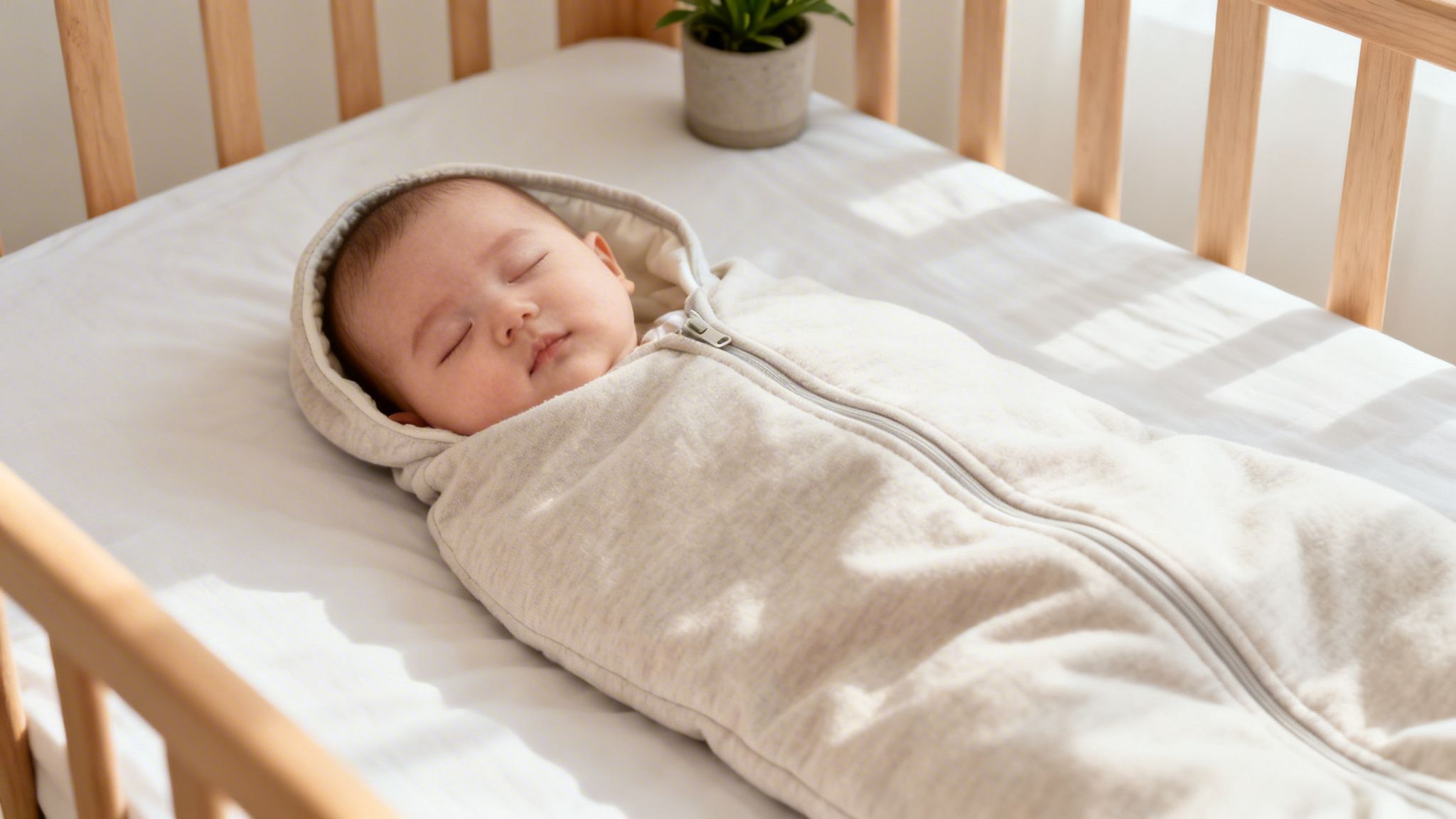
Here’s a quick recap to help you compare our top picks at a glance:
- Halo SleepSack: The best all-around choice for safety, practicality, and comfort.
- Simple Joys by Carter’s: The most affordable option, offering great value with a two-pack.
- Woolino Sleep Bag: The premium pick for year-round use and long-lasting value.
- TILLYOU Wearable Blanket: The ideal lightweight cotton option for warm weather.
- Burt’s Bees Baby Beekeeper: The perfect organic cotton choice for growing toddlers.
The shift toward sleeping bags reflects a growing understanding of safe sleep practices. The baby sleep bag market trends show that parents are increasingly choosing them over traditional blankets. For more options, see our guide to choosing the best baby sleeper.
FAQs
Here are answers to some of the most common questions parents have about baby sleeping bags.
1. When can a baby start using a sleeping bag?
A baby can use a sleeping bag from birth, as long as it fits correctly. The neckline and armholes should be snug enough that the baby’s head cannot slip inside. Many parents transition from a swaddle to a sleeping bag once their baby shows signs of rolling, typically around 3 to 4 months.
2. How do I know if my baby is too hot or cold?
Check the back of your baby’s neck or their chest. Their skin should feel warm and dry. If it feels sweaty, they are too warm and may need a lighter layer underneath. If it feels cool, they may need a warmer layer. Don’t judge by their hands or feet, as they are often naturally cooler.
3. Are sleeping bags safe once my baby can roll over?
Yes, they are the safest option. Once a baby can roll, swaddling becomes unsafe because their arms need to be free. A sleeveless sleeping bag allows them to use their arms to push up and reposition themselves, which is crucial for safety.
4. How many sleeping bags do I need?
Having at least two is a good idea. This ensures you always have a clean one ready in case of a diaper leak or spit-up. Depending on your climate, you might want a couple of lightweight bags for summer and a couple of warmer ones for winter.
5. What should my baby wear under a sleeping bag?
This depends on the TOG rating of the bag and the temperature of the room. In warmer rooms (68-72°F) with a 1.0 TOG bag, a long-sleeved bodysuit or pajamas is usually enough. In colder rooms with a higher TOG bag, you might add warmer pajamas.
6. What is a TOG rating?
TOG stands for Thermal Overall Grade. It’s a standard measurement of how warm a piece of bedding is. A lower TOG (0.5) is for warm weather, while a higher TOG (2.5 or 3.5) is for cold weather. Matching the TOG to your room’s temperature helps keep your baby comfortable and safe.
7. How do I wash a baby sleeping bag?
Most cotton or fleece sleeping bags can be machine washed on a gentle cycle. It’s best to zip it up before washing to protect the zipper. Always check the manufacturer’s care label, especially for materials like merino wool that may require special care.
Conclusion
Choosing the right sleeping bag baby product is a simple step you can take to create a safer and more comfortable sleep environment for your little one. By removing the need for loose blankets, you reduce a significant risk factor and help ensure a more peaceful night for the whole family.
- If you want a trusted, all-around great option, the Halo SleepSack is our top recommendation.
- For a budget-friendly and practical choice, the Simple Joys by Carter’s two-pack is an excellent value.
- If you’re ready to invest in a premium, year-round solution, the Woolino Sleep Bag is unmatched.
Ultimately, the best choice is the one that fits your baby, your home, and your peace of mind. According to these market projections, the move toward safer sleep solutions is only growing. And while you’re focused on sleep, our guide to finding the right baby sleep aid or cozy muslin baby blankets for cuddle time might also be helpful.
