

Choosing the right baby boy coat comes down to balancing warmth, comfort, and safety. A good coat, like a versatile fleece or a cozy puffer, keeps your little one protected without being too bulky for car seat safety. This guide is here to make that choice simpler for busy parents.
This guide is for parents who want to make a confident choice without getting lost in hours of research. We will walk through the essential features to look for, from cozy materials and proper insulation to safety and fit. Whether you need gentle warmth for a newborn or a durable jacket for a puddle-jumping toddler, we have you covered.
What To Consider Before Buying
Before you start shopping, take a moment to think about what you really need. Answering a few quick questions can narrow down your options and help you buy a coat that gets used.
- Your Climate: Do you live somewhere with mild winters, or are you dealing with heavy snow and freezing temperatures? The level of insulation you need depends entirely on your local weather.
- Your Baby’s Activity Level: Is your baby a newborn who will mostly be in a stroller, or an active toddler who loves to play outside? A more durable, water-resistant coat is a must for crawlers and walkers.
- Your Budget: Coats range from affordable basics to premium options. Setting a budget helps focus your search on what makes sense for your family.
The 4 Best Baby Boy Coats
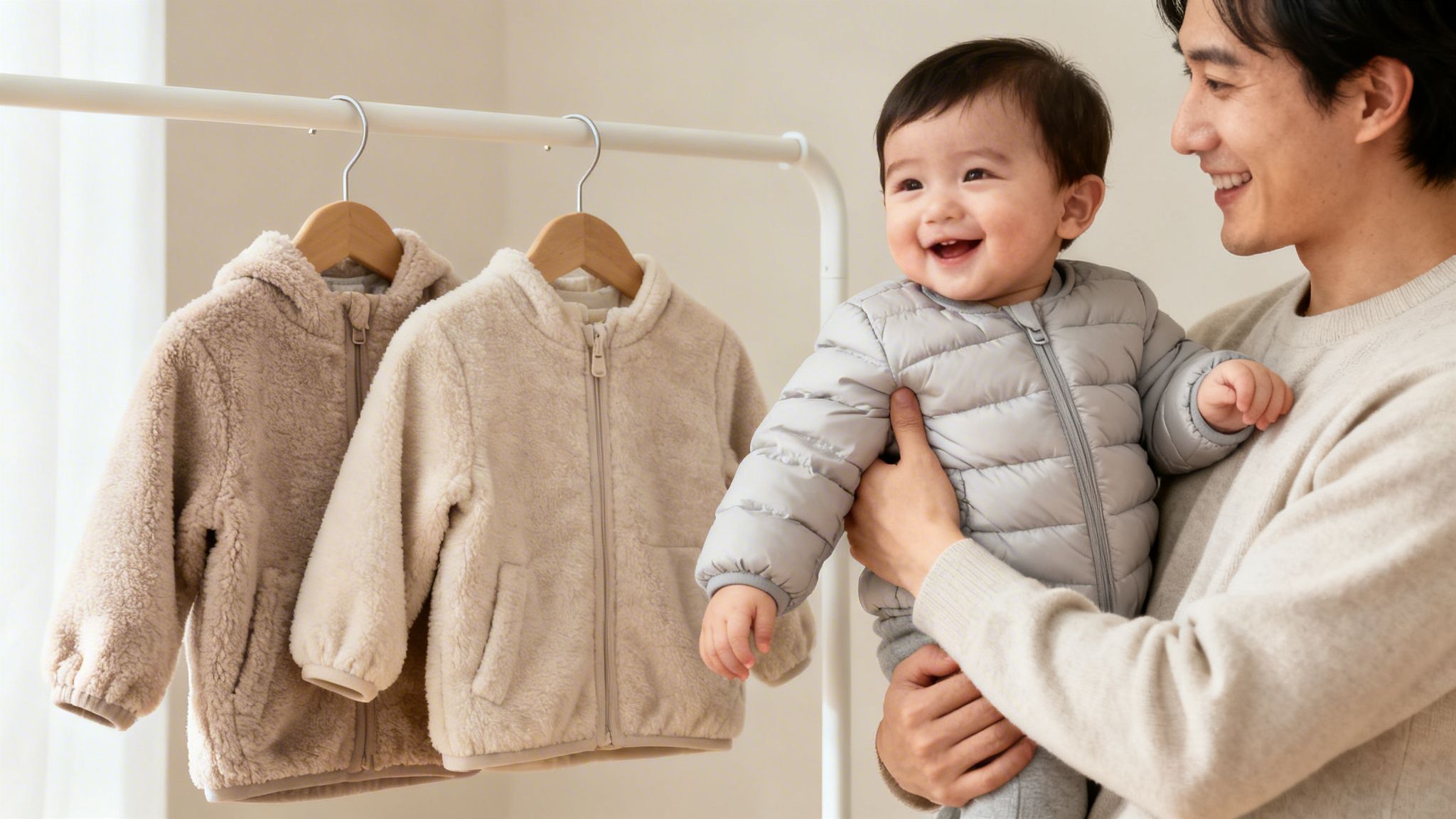
We have reviewed dozens of options to find the best coats based on warmth, practicality, and value. This list features our top seven picks for every kind of weather and budget.
#1 Best Overall:
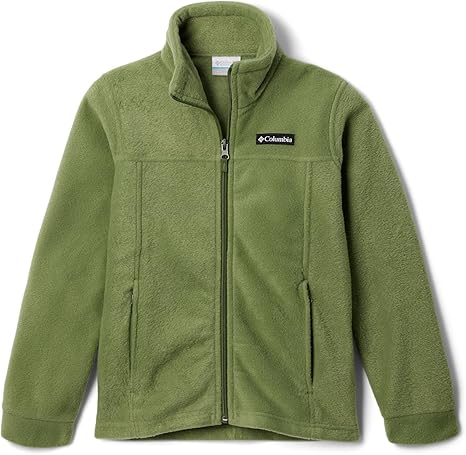
The Columbia Steens Mountain Fleece is a classic for a reason. It is a great layering piece for cold winters and works well on its own during crisp autumn days. Made from soft but durable fleece, it provides warmth without adding dangerous bulk, which is important for car seat safety.
This jacket is versatile and practical for everyday use. Its simple design, with a full zip and a stand-up collar, makes getting it on and off a wriggly baby easy.
Pros:
- Versatile for layering or wearing alone.
- Thin fleece is safe for car seats.
- Durable and holds up to frequent washing.
Cons:
- Not water-resistant for rain or wet snow.
- Does not have a hood.
Who this product is best for: Parents who want a reliable, car-seat-safe layer that is useful for most of the year.
#2 Best Value:

The Simple Joys by Carter’s Puffer Jacket offers serious warmth at an affordable price. This coat has a water-resistant shell and a fleece-lined hood and body. It keeps your little one shielded from wind, snow, and cold temperatures.
It is a practical choice for everyday winter activities, from park outings to errands. The design includes thoughtful touches like a zipper guard to protect your baby’s chin and elastic cuffs to keep the cold out.
Pros:
- Excellent insulation for cold winter days.
- Budget-friendly price for the quality.
- Features a cozy fleece lining and a protective zipper garage.
Cons:
- Too thick to wear safely in a car seat.
- Sizing can be inconsistent.
Who this product is best for: Budget-conscious families needing a warm and protective winter coat for daily use.
#3 Best for Wind:

The North Face Baby Reversible Perrito Jacket is a solid defense against chilly winds. It features WindWall fabric technology to block drafts, and Heatseeker Eco insulation provides warmth without being overly puffy. It is also reversible, giving you two style options in one coat.
This jacket is a smart choice for blustery days at the park or on stroller walks. It is durable enough for an active toddler but still comfortable for a smaller baby.
Pros:
- Excellent wind-blocking technology.
- Reversible design offers two looks.
- Made with recycled materials.
Cons:
- Can be too warm for mild days.
- Higher price than some other options.
Who this product is best for: Families in windy climates who need a versatile and warm jacket for outdoor adventures.
#4 Best Lightweight Option:

The Burt’s Bees Baby Quilted Bee Jacket is a perfect lightweight layer for cool, not cold, days. Made from 100% organic cotton, it is incredibly soft and breathable, making it gentle on a baby’s sensitive skin. The simple snap-front design makes it easy to put on and take off.
This is not a heavy winter coat, but it is an ideal choice for transitional weather or as an extra layer indoors. It is also car-seat friendly.
Pros:
- Made from 100% organic cotton.
- Lightweight and breathable.
- Easy snap-front closure.
Cons:
- Not warm enough for true winter weather.
- No hood for head and ear protection.
Who this product is best for: Parents looking for a soft, organic, and lightweight jacket for mild weather and car seat use.
Comparison Summary
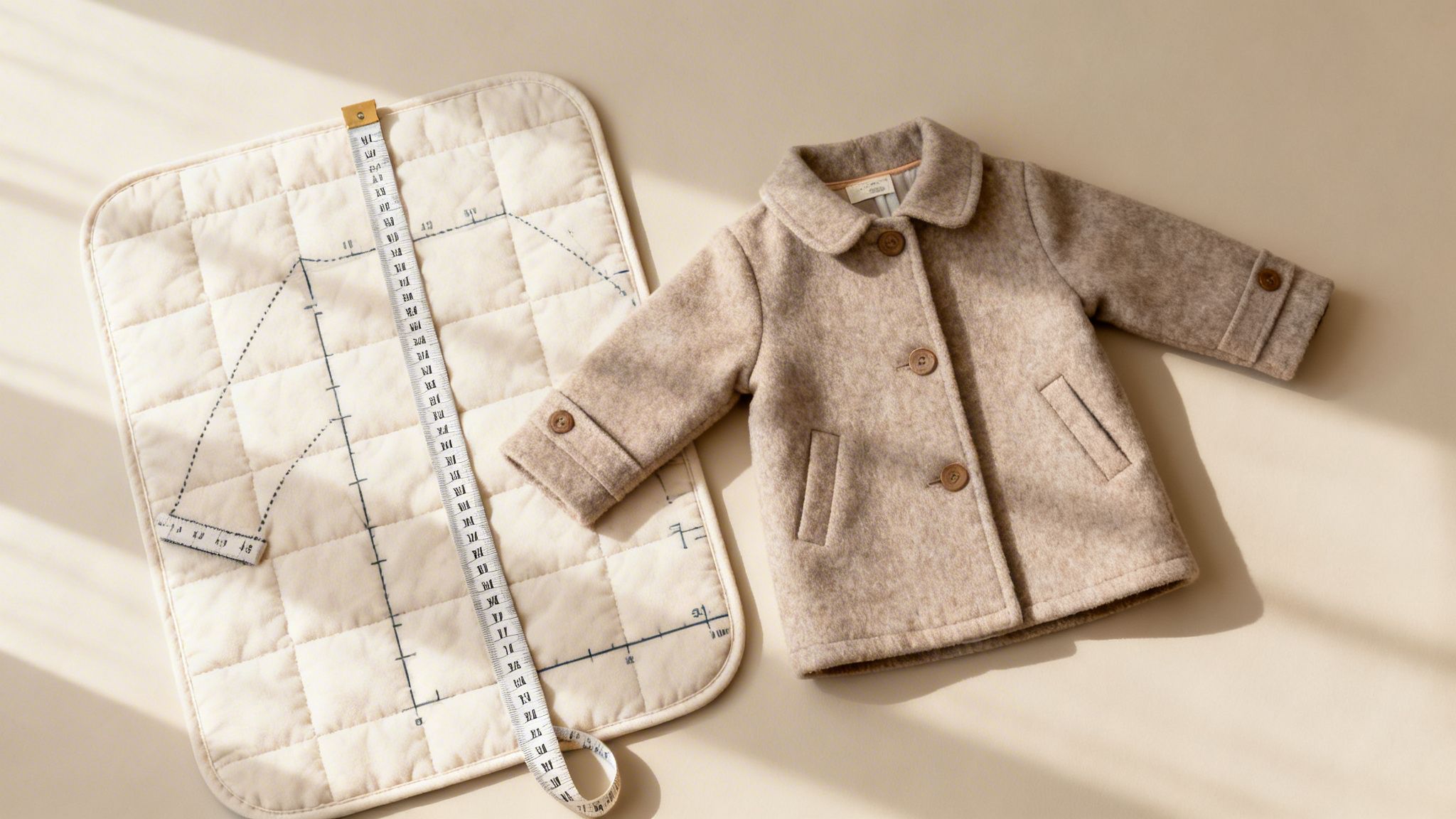
Here is a quick comparison of our top picks to help you see how they stack up. This chart lets you compare key features at a glance to find the right coat for your needs.
| Product | Best For | Material | Key Feature |
|---|---|---|---|
| Columbia Steens Mountain | Everyday Layering | Fleece | Car Seat Safe |
| Simple Joys by Carter’s Puffer | Budget-Friendly Warmth | Polyester | Water-Resistant |
| The North Face Perrito Jacket | Windy Days | Recycled Polyester | Wind-Resistant |
| Burt’s Bees Bee Jacket | Lightweight Layering | Organic Cotton | Ultra-Soft |
FAQs
Here are straightforward answers to some of the most common questions parents have about baby coats.
Can my baby wear a coat in his car seat?
No, bulky coats should not be worn in a car seat. The puffy insulation can compress in a crash, leaving the harness straps too loose to hold your child securely. Dress your baby in thinner layers like a fleece jacket, and place the bulky coat over him like a blanket after he is buckled in.
What is the best material for sensitive skin?
For sensitive skin, look for coats with linings made from soft, breathable materials like 100% cotton or fleece. Many brands now offer hypoallergenic and organic options. You can read more about baby apparel market trends from Fortune Business Insights.
How many coats does my baby need?
For most families, two coats are enough. A lightweight fleece jacket is great for layering and car seat use. A warmer, insulated coat is for very cold days or playing outside. Check out our guides to baby boy outfits for more ideas.
What is the easiest way to wash a baby coat?
Always check the care tag first. Most coats can be machine washed on a gentle cycle with cold water and a mild detergent. Tumble dry on low heat. For puffer coats, adding a few clean tennis balls to the dryer can help fluff the insulation.
How do I choose the right size?
It is often a good idea to buy one size up to allow for growth and layering. A good fit means the sleeves cover his wrists and the bottom of the coat falls below his waist. He should be able to move his arms freely without the coat being too baggy.
What is the difference between water-resistant and waterproof?
Water-resistant coats can handle light rain or snow for a short time, but water will eventually soak through. Waterproof coats have a special membrane that blocks water from getting in, keeping your baby completely dry even in heavy rain. For most everyday use, water-resistant is sufficient.
Should I get a coat with a hood?
A hood provides extra warmth and protection from wind, rain, and snow. It is a very useful feature, especially if your baby does not like wearing hats. Look for a well-fitted hood that stays in place without covering his eyes. If you need other soft layers, consider muslin baby blankets.
Conclusion
Choosing the right baby boy coat is about finding the best fit for your climate, your budget, and your daily routine. The goal is to find a coat that provides warmth, safety, and practicality.
For a versatile option that works for most situations, the Columbia Steens Mountain Fleece is an excellent choice for layering and car seat safety. If you need serious warmth on a budget, the Simple Joys by Carter’s Puffer Jacket delivers great value. For those who prioritize sustainable materials, the Burt’s Bees Unisex Baby Sweatshirts is an exceptionally soft and well-made investment.
The best coat is the one that keeps your little one warm and comfortable on all his adventures. We hope this guide helps you feel confident in your choice. For more industry trends, GMI Insights has a great report on baby apparel trends.
