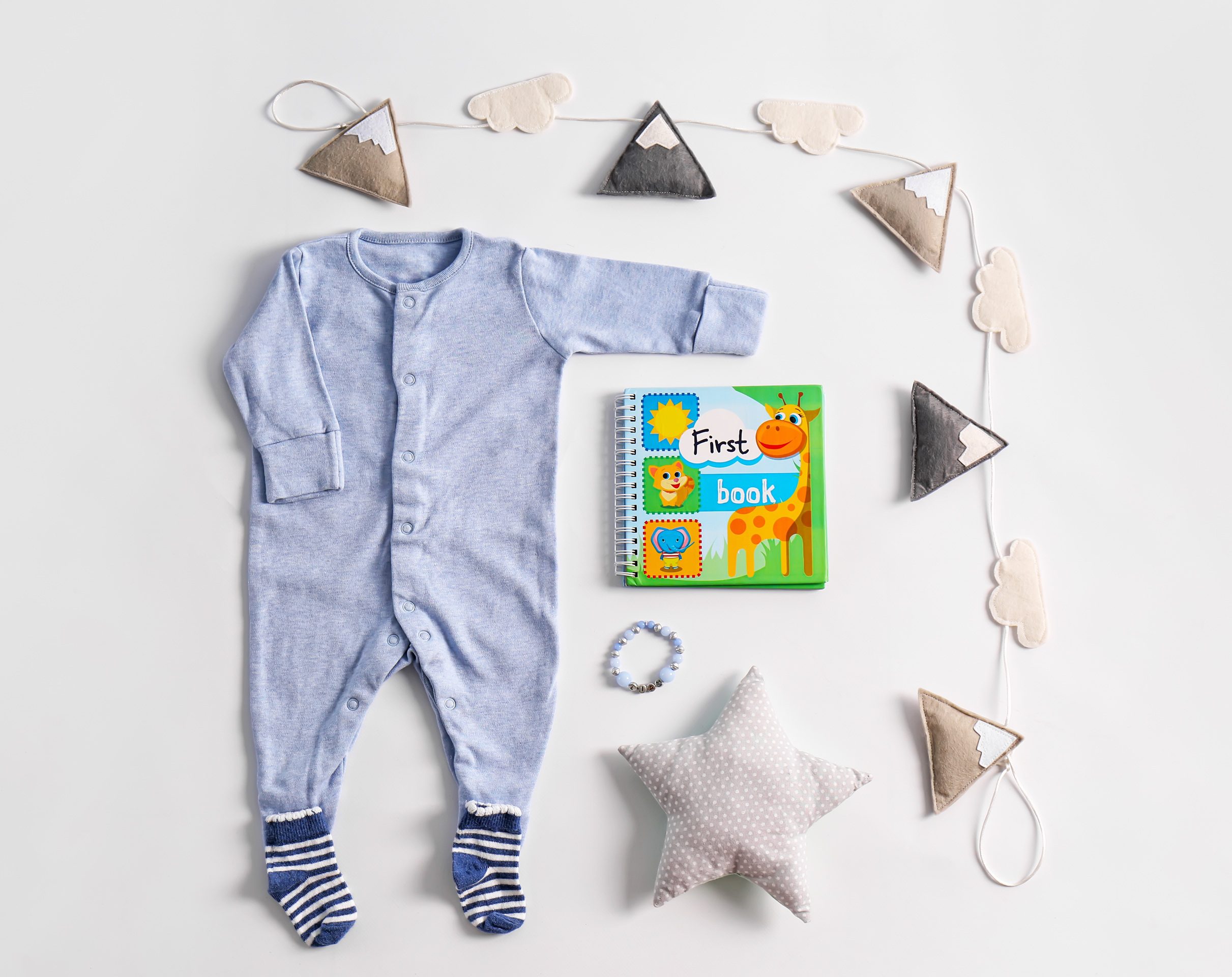
Choosing your baby’s first book is a lovely milestone. It’s a chance to start a reading routine that can become a special part of your day. For some, a “baby’s first book” is a keepsake album for memories. For others, it’s the first board book you read together. This guide is for parents looking for that first read, the one that will start a lifelong love of stories.
Reading to your baby, even from the first few days, is a simple way to bond and help their development. It builds their listening skills and creates a comforting, predictable routine. But the options are endless. Should you get a high-contrast book for your newborn, or an interactive story for your older baby?
This guide will help you decide. We’ve selected five great options available on Amazon.com, each suited for different needs. We’ll look at durable books for tiny, grabby hands, interactive books for curious minds, and classic stories for quiet moments, so you can find the perfect fit for your family.
Curated Recommendations
#1 Best for Newborn Vision:

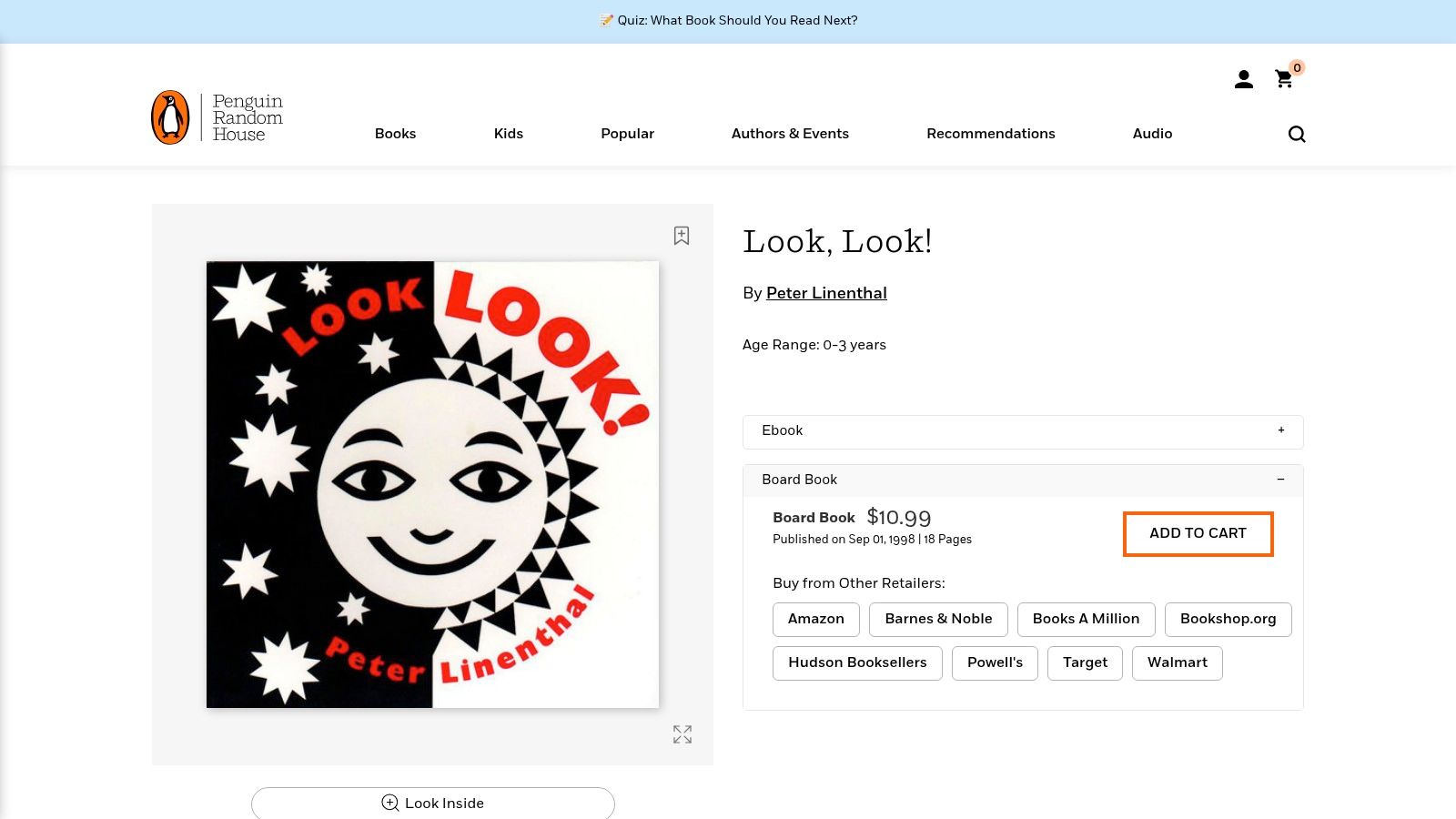
This book is designed to solve the challenge of engaging a brand-new baby. In the first few months, a baby’s vision is still developing, and they see high-contrast black and white images best. Look, Look! uses these bold patterns, plus a touch of red, to capture your newborn’s attention when other colorful books might just look like a blur.
This makes it a practical tool for early visual stimulation. You can prop it up during tummy time to encourage your baby to lift their head, or hold it during quiet moments to help them practice focusing. It’s a simple, effective way to introduce the concept of a book from the very beginning.
- Pros:
- Specifically designed for newborn eyesight with high-contrast images.
- Sturdy board book construction can handle being handled and mouthed.
- Great for encouraging focus and visual tracking during tummy time.
- Cons:
- Very simple content may not hold the interest of babies older than 6 months.
- Minimal text, so it’s more of a visual tool than a narrative story.
- Best for: Parents of newborns (0-6 months) who want an age-appropriate book to support early visual development.
#2 Best for Durability:

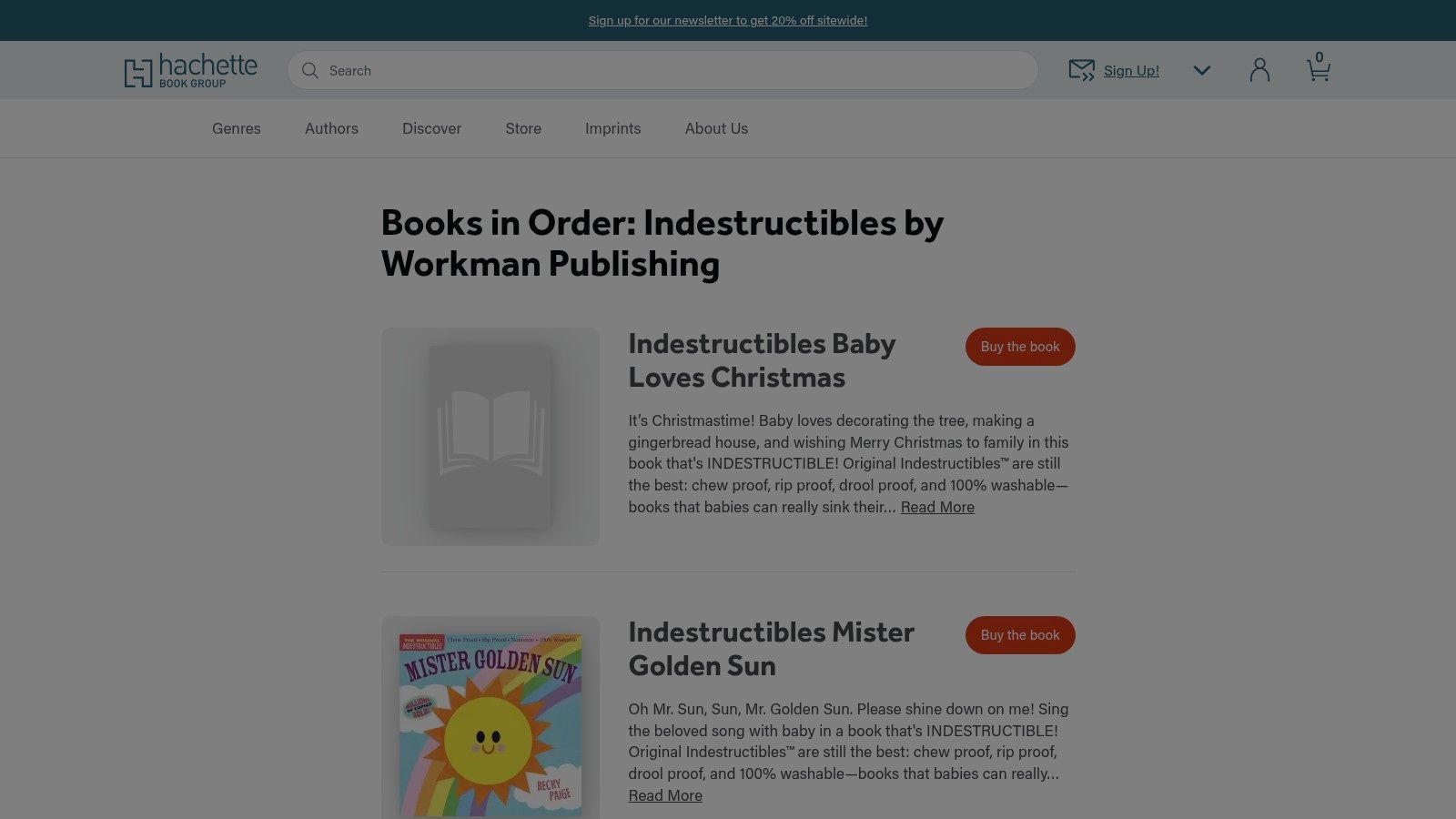
Babies explore the world with their mouths. This often means that their first books get chewed, drooled on, and torn apart. The Indestructibles series was created to solve this exact problem, giving parents a worry-free option for story time.
These books are made from a unique, non-toxic, paper-like material that is rip-proof, chew-proof, and completely washable. You can let your baby handle it without hovering, and if it gets dirty, you can simply rinse it off. They are ultra-lightweight, making them perfect to toss in a diaper bag for entertainment on the go.
- Pros:
- Virtually indestructible: chew-proof, rip-proof, and washable.
- Lightweight and easy for babies to hold and for parents to pack.
- Affordable, so you can collect several titles without a big investment.
- Cons:
- Many titles have no words, requiring the parent to create the narrative.
- The thin, crinkly pages don’t have the same substantial feel as a board book.
- Best for: Parents of babies in the “put everything in my mouth” phase, or families who need a durable, portable book for travel.
#3 Best for Sensory Play:

Finding ways to make reading a hands-on experience can be a challenge with a wiggly baby. Pat the Bunny is a classic solution, turning story time into a multi-sensory activity. It invites your baby to touch, feel, and interact with the pages in a gentle, guided way.
This book is more than a story; it’s a series of simple activities. Your baby can feel a soft bunny, touch a scratchy beard, and peek into a tiny mirror. These interactive elements are perfect for developing fine motor skills and helping your baby learn about different textures, all while sharing a quiet moment with you.
- Pros:
- Includes a variety of textures and interactive elements to engage the senses.
- Helps develop fine motor skills through touching and feeling.
- The gentle, participatory nature is great for one-on-one bonding.
- Cons:
- The spiral binding and glued-on elements can be less durable than a standard board book.
- Some elements are made of paper and can be torn by an enthusiastic baby.
- Best for: Parents who want to introduce a sensory, interactive element to story time and are happy to read together with their baby.
#4 Best for Interaction:

Keeping a baby’s attention during story time can be tough. Dear Zoo solves this by turning reading into a game of peekaboo. The simple, repetitive story about a child looking for the perfect pet is paired with lift-the-flap elements that babies find irresistible.
Each flap reveals a new animal, making the reading experience interactive and exciting. This encourages curiosity and helps teach the concept of object permanence. The chunky flaps are easy for little hands to grab, helping them practice their fine motor skills as they play. It’s a book that grows with your child, remaining a favorite well into their toddler years.
- Pros:
- The lift-the-flap design is highly engaging for babies and toddlers.
- Encourages fine motor skill development.
- The simple, repetitive story is easy for young children to follow.
- Cons:
- The flaps can be torn off by babies who are still learning to be gentle.
- The story is very simple, which may not be as engaging for the parent after many reads.
- Best for: Babies 6 months and older who are ready for interactive play and parents looking for a fun, engaging book to read aloud.
#5 Best for Rhythm and Repetition:

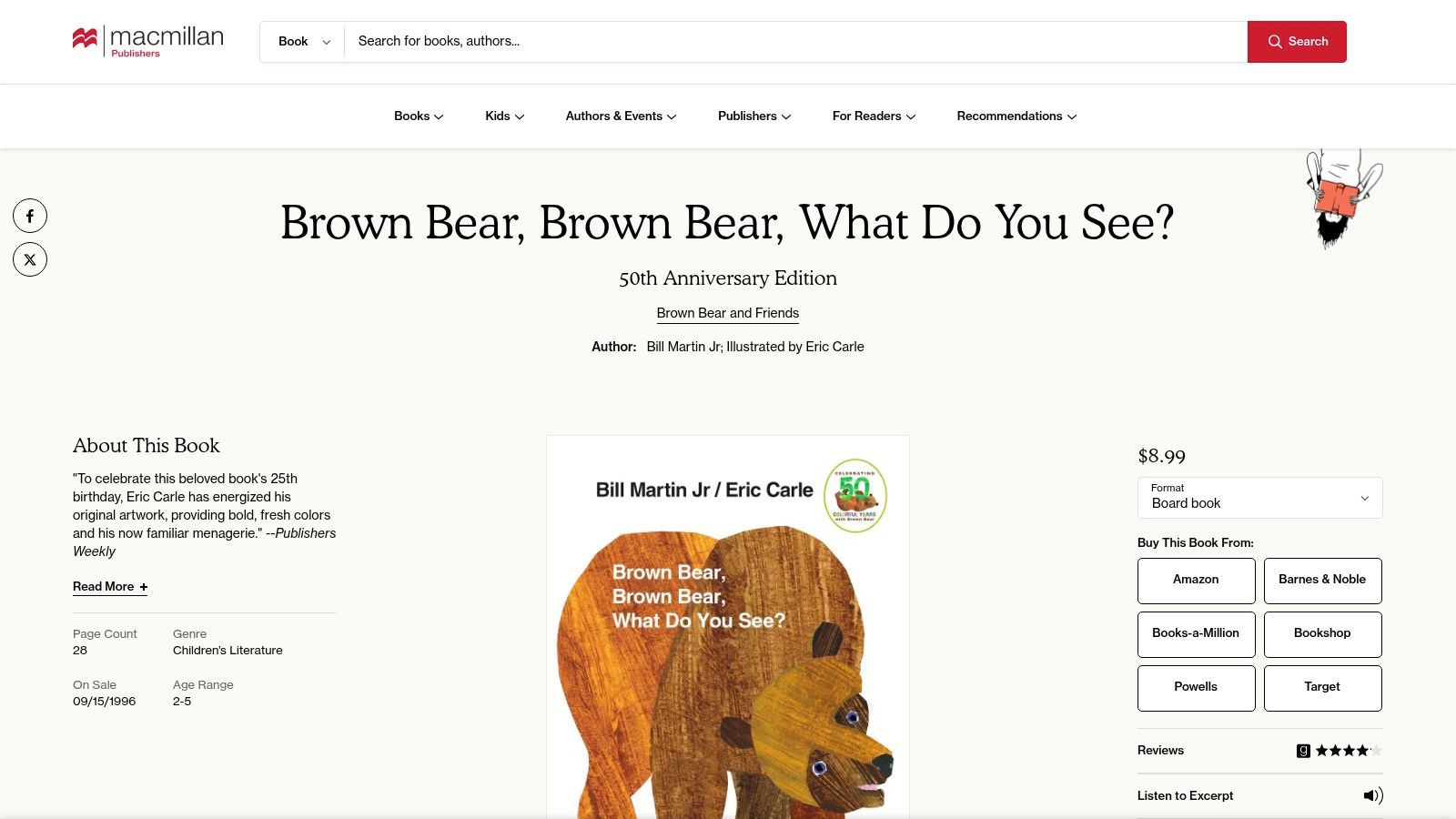
Many parents want a first book that helps build early language skills. The rhythmic, repetitive text of Brown Bear, Brown Bear, What Do You See? is perfect for this. The call-and-response format is catchy and predictable, which helps babies and toddlers learn to anticipate the words and even “read” along with you.
Paired with Eric Carle’s bold, colorful animal illustrations, the book is visually engaging for young children. The simple pattern of colors and animals provides a great foundation for learning new words. It’s a book that is fun to read aloud and quickly becomes a family favorite that you’ll both soon know by heart.
- Pros:
- The rhythmic, repetitive text is excellent for language development.
- Vibrant, high-contrast illustrations by Eric Carle are captivating for babies.
- The sturdy board book format holds up well to repeated use.
- Cons:
- The story is simple and doesn’t have a traditional plot.
- The repetition may become monotonous for some parents.
- Best for: Parents focused on language development who want a book with a fun, memorable rhythm that encourages participation.
Comparison Summary
Choosing the right first book depends on your baby’s age and what you hope to get out of reading together.
For the youngest babies (0-6 months), Look, Look! is an excellent choice for its practical support of visual development. If your main concern is durability, especially during the teething phase, the Indestructibles series offers unbeatable value and peace of mind.
As your baby gets a little older and more interactive, Pat the Bunny provides a wonderful sensory experience, while Dear Zoo makes reading a fun game with its engaging lift-the-flap design. For parents who want to focus on early language skills, the rhythm and repetition of Brown Bear, Brown Bear, What Do You See? make it a timeless and effective tool.
Ultimately, each of these books offers a unique way to connect with your baby and build a positive foundation for reading.
FAQs
1. At what age should I start reading to my baby?
You can start reading to your baby from day one. Newborns won’t understand the story, but they will be soothed by the sound of your voice and the rhythm of the words. It’s a wonderful way to bond and establish a comforting routine early on.
2. What kind of book is best for a newborn (0-3 months)?
High-contrast board books with simple black, white, and red images are ideal for newborns. Their vision is still developing, and these bold patterns are easiest for them to see and focus on. Books like Look, Look! are perfect for this stage.
3. Why do babies chew on books?
Babies explore the world with all their senses, and their mouth is a primary tool for learning. Chewing on objects, including books, helps them learn about texture and shape. It can also be soothing for teething gums. This is why durable, non-toxic books like the Indestructibles series are such a practical choice.
4. How do I make reading a fun part of our routine?
Keep it short, simple, and pressure-free. Choose a time when your baby is calm and alert, like after a nap or a bath. Use a sing-song voice, point to the pictures, and don’t worry if you don’t finish the book. The goal is to create a positive, enjoyable experience.
5. Are interactive books like lift-the-flap really that important?
Interactive books are great for development. They help teach cause and effect (“When I lift the flap, I see a lion!”), encourage fine motor skill practice, and keep wiggly babies engaged. While not essential, they are a fantastic way to make reading active and playful.
6. How many books does a baby need?
You don’t need a huge library. A small, rotating collection of 5-10 age-appropriate books is plenty. Quality and variety are more important than quantity. Having a mix of board books, soft books, and interactive books gives you options for different moments in your day.
7. Is it okay if my baby seems uninterested in books?
Absolutely. A baby’s attention span is very short. If they seem fussy or want to crawl away, don’t force it. Try again later, or simply leave sturdy books like Indestructibles where they can explore them on their own terms. The goal is to make books a normal, pleasant part of their environment.
Conclusion on Baby’s First Book
Choosing your baby’s first book is less about finding the “perfect” one and more about starting a habit of sharing stories together. The best choice is one that fits your family’s routine and your baby’s current stage of development.
If you have a newborn, start with a high-contrast option like Look, Look! to help their developing vision. If you have a baby who loves to chew on everything, the Indestructibles series will save you a lot of stress. For a more interactive and playful story time, Dear Zoo or Pat the Bunny are fantastic choices. And if you want to build a foundation for language with rhythm and repetition, you can’t go wrong with a classic like Brown Bear, Brown Bear, What Do You See?
No matter which you choose, the time you spend reading together is what truly matters. It’s a simple, powerful way to build connection and show your baby that books are a source of comfort and fun.
Check out of Free Guides on Modern Parents Guide where we’ve provided 100s of parent-tested recommendations and product reviews to help make your parenting journey easier. Whether you’re a first time parent to a newborn or already have toddlers running around, we’ve got you.
