
Finding the right shoes for your little girl can feel overwhelming. From soft booties for newborns to sturdy sneakers for new walkers, the options are endless. What truly matters is choosing footwear that supports her developmental stage, ensuring her tiny feet are comfortable, protected, and free to grow naturally.
This guide is for busy parents looking for clear, honest advice. We’ll walk you through what to consider before you buy, from sole flexibility and materials to getting the right fit. Our goal is to simplify your decision so you can choose the best infant girl shoes with confidence.
What to Consider Before Buying
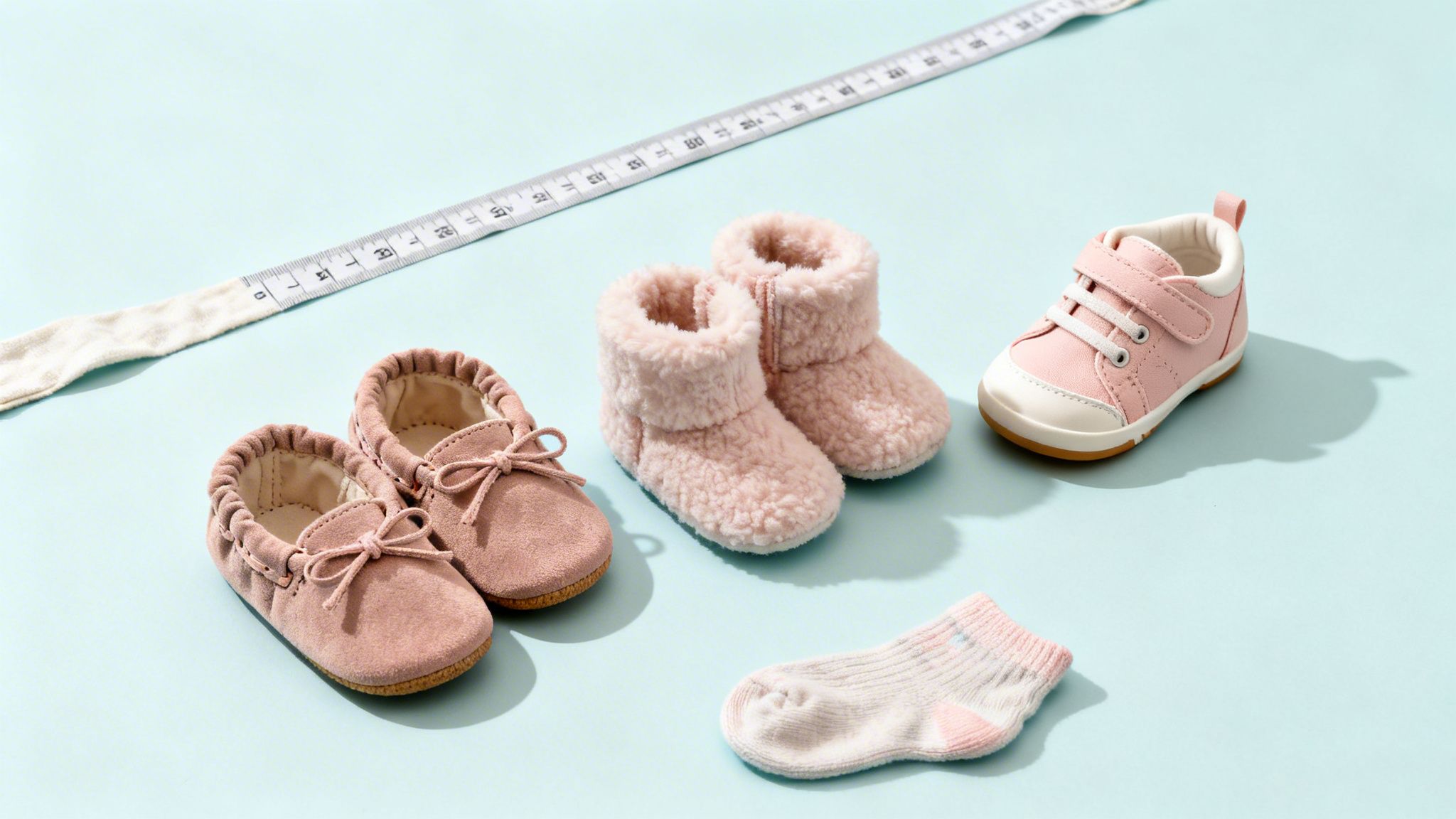
Before you start shopping, it helps to know what features are most important for healthy foot development. Barefoot is best for babies learning to walk indoors, but when they need protection, a good shoe should mimic that feeling as closely as possible.
Here are the key things to look for:
Flexible Soles: A soft, bendable sole allows her foot to move naturally. This is essential for building strength and developing a sense of balance.
Wide Toe Box: Little feet are wider in the front, so they need plenty of room for toes to wiggle and spread out. A roomy toe box supports a healthy foot shape.
Breathable Materials: Soft fabrics like leather, canvas, or mesh help keep her feet comfortable and dry. Good airflow prevents sweat and irritation.
Secure Fit: Adjustable closures, like Velcro straps or gentle elastic, are ideal. They help keep shoes on without being too tight on her ankle.
For a deeper look into this topic, you can read our guide on the best baby first walking shoes.
The Best Infant Girl Shoes on Amazon
To save you time, we’ve reviewed dozens of options and selected the top 5 infant girl shoes available on Amazon. We focused on comfort, developmental support, and real-world parent feedback.
#1 Best Overall:
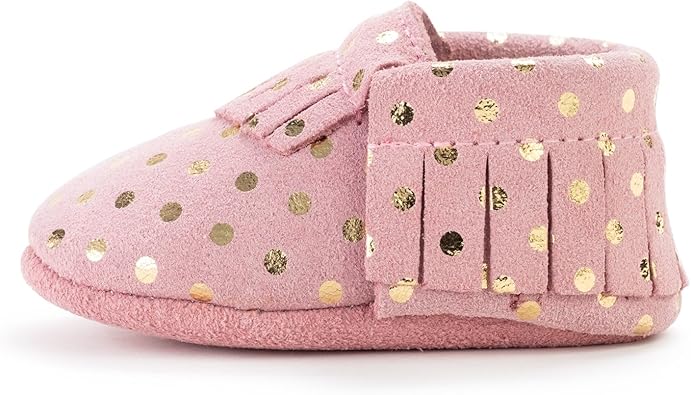
These moccasins from BirdRock Baby are a parent favorite for a reason. Made from 100% genuine leather, their soft-soled design is perfect for crawlers and early walkers, allowing them to feel the ground for better balance. A gentle elastic band around the ankle keeps them securely on, even on the wiggliest feet.
Pros:
Elastic ankle ensures they stay on without being restrictive.
Soft leather sole allows for natural foot movement.
Classic, simple style pairs well with any outfit.
Cons:
Suede sole offers limited traction on slippery outdoor surfaces.
Genuine leather may show scuffs with active use.
Who this product is best for: Parents of crawlers and new walkers (0-24 months) looking for a high-quality, stylish, and practical shoe for indoor and light outdoor use.
#2 Best Value:

Sometimes you just need something warm, simple, and affordable, and the Hudson Baby Fleece Booties are the perfect solution. These cozy fleece booties are like structured socks designed to keep tiny feet warm. The hook-and-loop closure opens wide, making them incredibly easy to put on a squirming baby.
Pros:
Very affordable and offer excellent value.
Soft, warm fleece material is perfect for colder weather.
Wide opening and simple closure make them easy to put on.
Cons:
Soft fabric bottom provides no grip or support for walking.
Sizing can run large, so consider ordering a size down.
Who this product is best for: Parents of newborns and non-mobile babies who need a warm, no-fuss option for indoors or stroller rides in cool weather.
#3 Best Premium Option:

When your little one starts taking her first steps, a shoe designed for healthy development can provide peace of mind. The Stride Rite Soft Motion Artie Shoe is a top-tier choice that has earned the American Podiatric Medical Association (APMA) Seal of Acceptance. Its flexible design, rounded edges, and memory foam insoles help prevent stumbles and build confidence.
Pros:
Podiatrist-approved design promotes healthy foot development.
Flexible rubber sole offers excellent traction for indoor and outdoor surfaces.
Made with high-quality, durable materials.
Cons:
Higher price point compared to other options.
Bulkier design may feel heavy for some babies at first.
Who this product is best for: Parents who want to invest in a premium, podiatrist-approved shoe that offers maximum support for a new walker.
#4 Best For Active Toddlers:

Once she’s walking confidently, she’ll need a shoe that can keep up. The See Kai Run Ryder FlexiRun sneakers are made for active toddlers. They feature a highly flexible rubber sole and a lightweight, breathable mesh upper that keeps feet cool and comfortable during play. Best of all, they are machine washable for easy cleanup.
Pros:
Exceptionally lightweight and flexible for natural movement.
Durable enough for the playground and comfortable for all-day wear.
Machine washable for convenient cleaning.
Cons:
On the pricier side for a toddler sneaker.
Some parents report a narrower fit.
Who this product is best for: Parents of active toddlers who need a durable, flexible, and easy-to-clean shoe for daycare, the park, and everyday adventures.
#5 Best Dress Shoe:
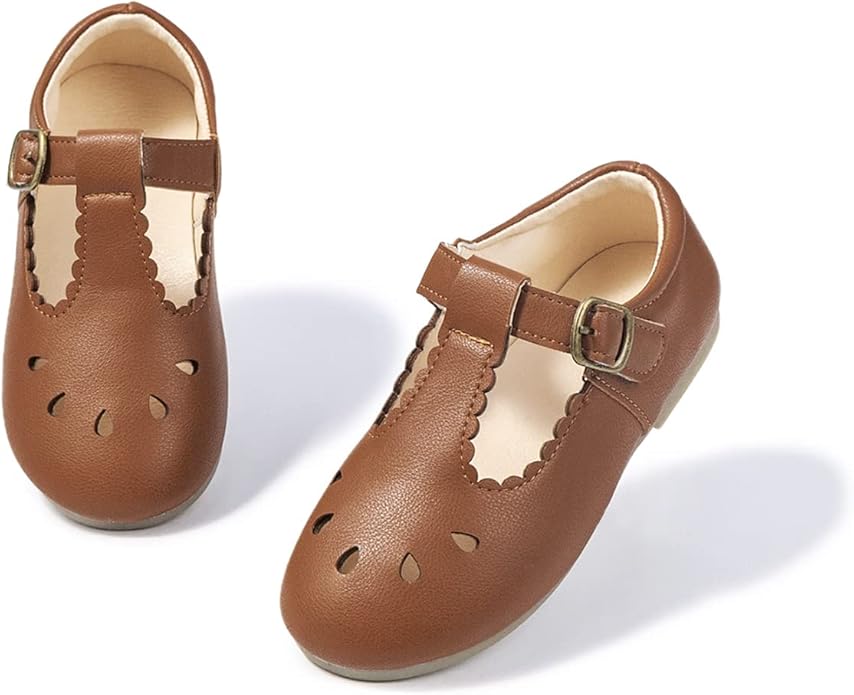
For special occasions, you want a shoe that is both adorable and comfortable. These classic Meckior T-Strap Mary Janes are sweet and practical. Unlike many stiff dress shoes, this pair has a soft, anti-slip rubber sole that is flexible enough for a new walker to move around in comfortably.
Pros:
Timeless Mary Jane style is perfect for special events.
Very affordable for a shoe she may only wear a few times.
The sole is more flexible than typical baby dress shoes.
Cons:
Not designed for daily wear or rough play.
Sizing can be inconsistent, so measure her foot and consult the size chart.
Who this product is best for: Parents looking for an adorable, comfortable, and budget-friendly dress shoe for holidays, parties, or family photos.
Comparison Summary
Choosing the right shoe comes down to your baby’s developmental stage and your family’s needs. A soft moccasin is great for a crawler, while a sturdy sneaker is better for a confident toddler. This summary will help you quickly compare our top picks.
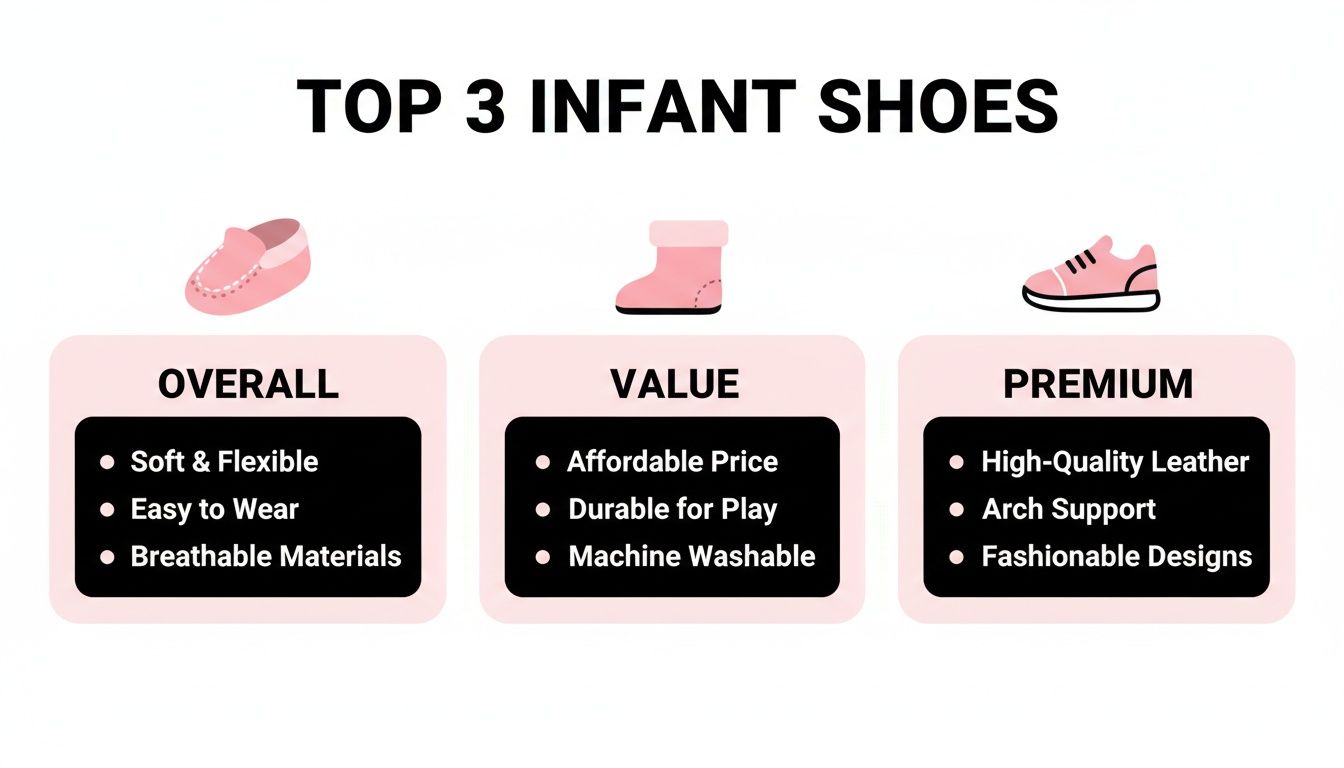
Here’s a quick breakdown to help you decide:
BirdRock Baby Moccasins (Best Overall): The perfect choice for crawlers and early walkers. They offer a barefoot feel with just enough protection, and they stay on.
Hudson Baby Booties (Best Value): An essential for non-mobile babies. They provide warmth and comfort at an unbeatable price.
Stride Rite Artie (Best Premium Option): An investment in stability for new walkers. These podiatrist-approved shoes offer excellent support and traction for exploring.
The primary difference is the sole. BirdRock offers flexibility for development, Stride Rite provides structured support for confident walkers, and Hudson Baby is all about cozy warmth. For more information on different shoe types, check out our complete guide to baby footwear.
FAQs
Here are answers to some of the most common questions parents have about buying shoes for their infant.
When does my baby actually need her first pair of shoes?
Your baby doesn’t need shoes until she starts walking outside. In fact, being barefoot indoors is recommended because it helps her feet develop naturally and improves her balance. Once she’s walking and needs protection from rough or unsafe surfaces outdoors, it’s time for her first pair.
How do I measure my infant’s feet correctly at home?
Measure her feet while she is standing, as they spread out under her weight. Have her stand on a piece of paper and trace around each foot. Then, measure the length from the longest toe to the heel. Use the measurement from the larger foot and add about a half-inch of wiggle room.
What is the difference between soft-soled and hard-soled shoes?
Soft-soled shoes are made of flexible materials like leather or suede. They are ideal for crawlers and new walkers because they mimic the feeling of being barefoot. Hard-soled shoes have a firmer rubber sole that provides more traction and protection, making them suitable for confident walkers who are active outdoors.
How often should I check if my baby’s shoes still fit?
A baby’s feet grow quickly, so check the fit every 4 to 6 weeks. Look for red marks on her feet or difficulty getting the shoes on. If you notice either, it’s time for a bigger size.
Are expensive baby shoes really better?
Not always. A higher price doesn’t guarantee a better shoe. Focus on features that support healthy foot development, like a flexible sole, a wide toe box, and a secure fit. Brands that have earned the APMA Seal of Acceptance offer extra assurance that the shoe is designed with foot health in mind.
How do I clean my infant girl’s shoes?
For leather or suede, wipe them with a damp cloth and let them air dry. Many canvas or mesh shoes can be spot-cleaned, and some are even machine washable on a gentle cycle. Always check the manufacturer’s care instructions first.
For other footwear ideas, like a fun pair of infant cowboy boots, we have more guides to help you out.
Conclusion
Choosing the right shoes for your baby girl is about matching her needs at each stage of her development. By focusing on a comfortable fit, flexible materials, and the right level of support, you can help ensure her feet grow strong and healthy.

To summarize our recommendations:
For the best all-around shoe for crawlers and new walkers, the BirdRock Baby Moccasins are our top pick.
For a simple, warm, and budget-friendly option for non-mobile babies, choose the Hudson Baby Fleece Booties.
For confident walkers needing podiatrist-approved support, the Stride Rite Soft Motion Artie Shoe is a worthwhile investment.
We hope this guide has made your decision a little easier. By choosing a shoe that protects her feet without getting in the way, you’re giving her a great start on her journey of exploration.
At Modern Parents Guide, we’re here to help you navigate the choices of parenthood with confidence. For more practical advice, visit us at modernparentsguide.com.
