You’re probably here because you want to give something thoughtful, but every baby gift list starts to blur together after a few minutes. One page says buy a cute keepsake, another says buy a practical registry staple, and suddenly you’re comparing six versions of the same swaddle while wondering whether any of it will actually help.
That feeling is normal. Baby shopping gets overwhelming fast because babies need a lot, parents are tired, and many products sound more useful than they are. The good news is that the best baby gift ideas are usually not the flashiest ones. They’re the things that fit real life, get used often, and make the first months or years feel a little easier.
Table of Contents
- Finding a Gift That Truly Helps
- Our Guiding Principles for a Great Baby Gift
- Gift Ideas by Age The First Year
- Gift Ideas for Toddlers One to Three Years
- Beyond the Toy Box Practical Everyday Essentials
- Gifts That Support the Parents Too
- Gifting for Special Occasions
- Your Confident Choice and Frequently Asked Questions
Finding a Gift That Truly Helps
A good baby gift usually starts with one simple question. Will this make daily life easier, calmer, or more enjoyable for the family using it?
That question cuts through a lot of noise. It helps when you’re staring at a registry full of gear, or when you’re shopping off-registry and trying not to show up with something that ends up in a closet. Some gifts look sweet in photos but don’t earn their space at home. Others seem plain at first and become the things parents reach for every single day.
The most reliable gifts tend to fall into a few categories. They support sleep, feeding, cleanup, comfort, or development. They don’t ask tired parents to learn a complicated system. They don’t create extra clutter. They fit the baby’s stage and the family’s routine.
Practical rule: If a gift solves a problem that repeats every day, it has a good chance of being appreciated.
This is also where softer, care-focused ideas can make sense. If you’re putting together a small parent-and-baby bundle, gentle skincare or bath products can fit nicely alongside essentials. For families who prefer that kind of gift, you can shop natural body care and pair one item with a pack of burp cloths or a simple cotton blanket so the gift feels balanced rather than decorative.
Thoughtful doesn’t have to mean complicated. It usually means you chose something with a clear purpose.
Our Guiding Principles for a Great Baby Gift
Some baby gifts get opened, admired, and forgotten. Others become part of the family’s routine almost immediately. The difference is usually not price. It’s judgment.
Start with usefulness, not novelty
The strongest filter is everyday use. In a 2026 baby gear trend report, longevity-focused gear stands out because parents are prioritizing multi-stage products that adapt from newborn to toddler stages, with items like convertible cribs and high chairs that turn into toddler towers becoming a baseline for registries and gifts, according to Babylist’s 2026 baby gear trends.
That matters for gift-givers. If you’re choosing between a single-purpose product and something that grows with the child, the second option often gives the family more value and fewer future purchases. The same logic applies at smaller price points too. A stack of absorbent burp cloths can outlast a novelty outfit. A sturdy board book can stay in rotation longer than a trendy toy with one gimmick.
From a practical standpoint:
| Gift type | Usually works well when | Common downside |
|---|---|---|
| Multi-stage gear | You’re close to the family, know their space, or are joining a group gift | Harder to choose without checking the registry |
| Daily-use soft goods | You want a safe, reliable off-registry gift | Can feel plain unless presented thoughtfully |
| Developmental toys | You know the baby’s age and want something interactive | Easy to overbuy or choose a stage too early |
| Keepsakes | You want an emotional or commemorative gift | Often appreciated more by the giver than the parent |
A gift doesn’t need to be exciting to be memorable. Parents remember what they used.
Choose safety without overcomplicating it
Safety shouldn’t make shopping stressful, but it should shape your choices. For toys and teethers, look for simple construction, large parts, and materials that are clearly described. For soft items, breathable fabrics and easy-care materials matter more than luxury branding.
Skip anything with small detachable parts for young babies. Be cautious with battery-operated items unless the battery compartment is secure. If an item seems hard to clean, it probably won’t get much use.
The best gift is often the one a parent can use immediately without reading a long instruction manual.
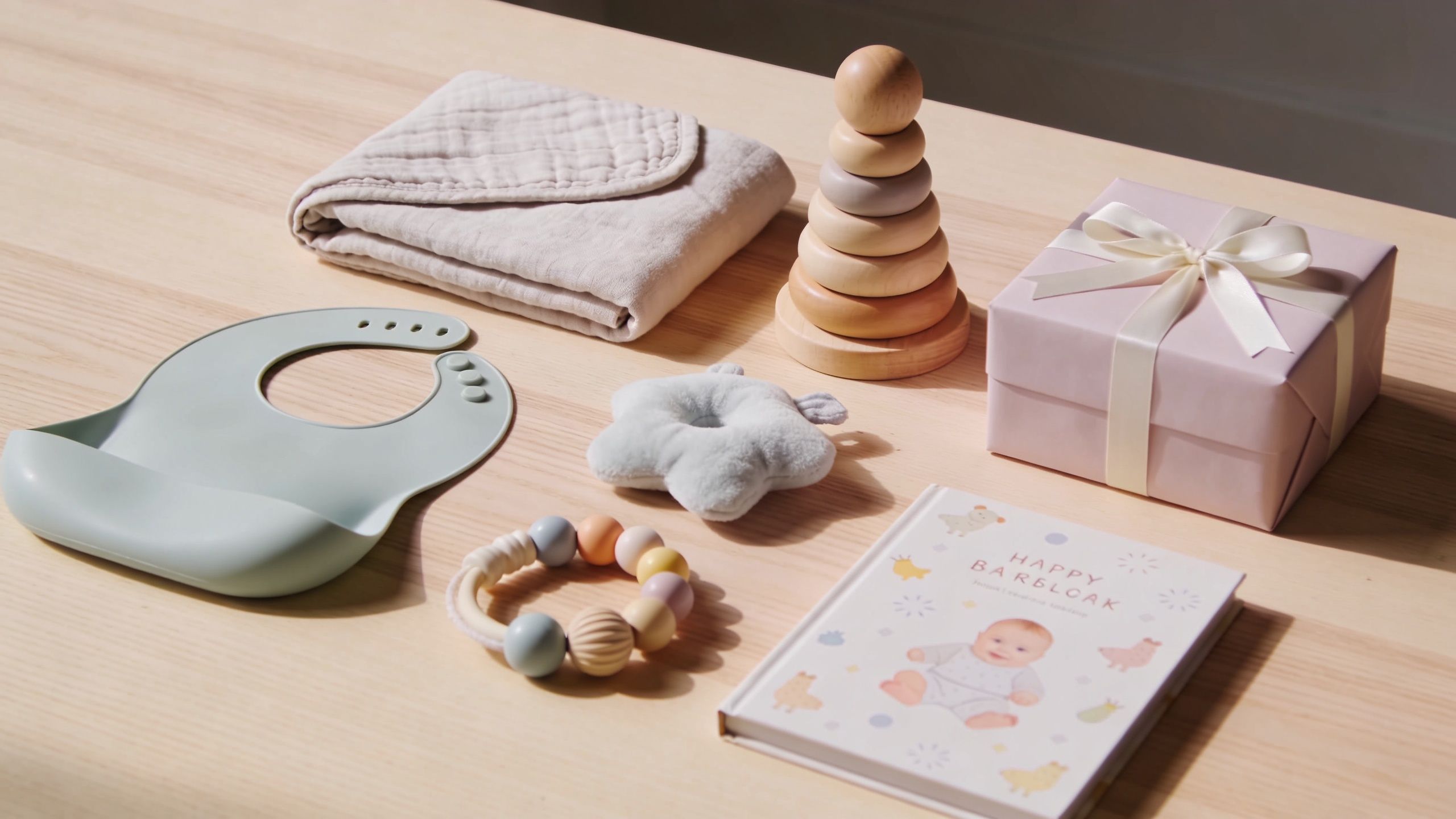
Simple items consistently excel. Board books, silicone bibs, muslin swaddles, wooden stacking toys, and plain zip sleepers all tend to make sense because parents can understand their purpose at a glance.
Think about how the gift enters the home
There’s also an etiquette side to gifting that people rarely talk about. A wonderful item can still miss the mark if it duplicates something the family already has or ignores obvious constraints like apartment space.
A few rules help:
- Check the registry first. Even if you buy off-registry, the registry tells you what style, materials, and categories the parents prefer.
- Group gift for big items. Larger gear works best when several people contribute rather than one person guessing alone.
- Add one personal layer. If your main gift is practical, include a handwritten note or a small book with a message inside.
- Respect storage limits. Bulky products can become a burden in small homes.
- Keep receipts and packaging simple. Parents may need flexibility, especially if they receive duplicates.
If you want a quick decision model, use this checklist before buying:
- Will it be used in the next stage of life, not just someday?
- Does it save time, reduce mess, support sleep, or help development?
- Is it easy to clean and store?
- Would you still feel good giving it if no one posted it online?
That last question helps more than people expect.
Gift Ideas by Age The First Year
A baby changes quickly in the first year, and gifts make more sense when they match what the child is ready to do now. That’s why age-based shopping is more useful than trying to buy “something for babies” in general.
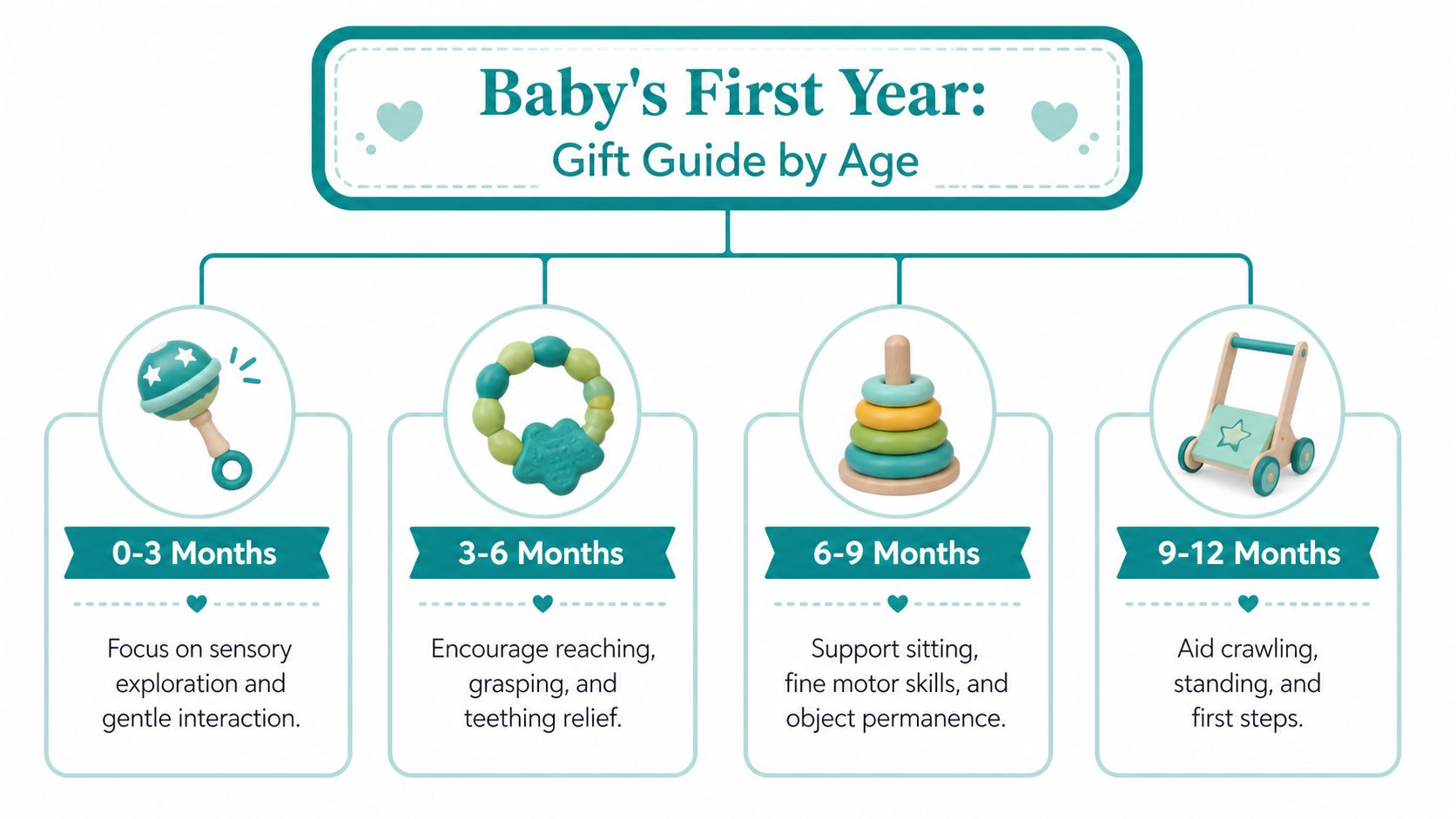
For the first half year, the clearest pattern is developmental. Research summarized by Busy Toddler’s baby toy guide notes that babies 0 to 6 months benefit from toys that support auditory processing, cause-and-effect learning, gross motor development, and fine motor coordination, and that a curated set of 4 to 7 thoughtfully selected toys works better than a larger pile because it reduces cognitive overload.
That gives gift-givers a useful limit. More isn’t automatically better.
Newborn 0 to 3 months
At this stage, babies aren’t “playing” in the way older children do. They’re adjusting to the world, noticing faces, tracking contrast, listening to voices, and spending a lot of time eating and sleeping.
Good gifts here are gentle and simple:
- High-contrast flash cards or cloth books help with early visual attention.
- Soft rattles bring in sound without overstimulation.
- Muslin swaddles support sleep, feeding, and cleanup.
- Burp cloth sets may not look exciting, but they earn their keep quickly.
- A baby carrier can be a strong gift if you know the family wants one.
This is also the age where practical guides can help first-time parents more than another cute item. If the family is still building out basics, a straightforward checklist like what to buy for a newborn baby can help you choose something that fills a real gap.
A common mistake is buying toys meant for later milestones. Newborn gifts should support comfort and light sensory input, not performance.
Infant 4 to 6 months
Around this stretch, babies start reaching more intentionally, bringing objects to their mouths, batting at toys, and showing stronger interest in cause and effect. Teething often becomes part of the picture too.
This is a nice age for gifts that are interactive without being noisy for the sake of it.
Consider:
| Gift idea | Why it works |
|---|---|
| Sensory teether | Gives relief and invites grasping |
| Wrist or ankle rattles | Encourages movement and body awareness |
| Rolling toy with soft texture | Supports reaching and tracking |
| Lightweight grasping toy | Helps early hand coordination |
| Crinkle cloth book | Adds sound, touch, and short visual play |
If you’re choosing among these, favor items that do more than one job. A teether that’s easy to hold is usually more useful than a bulky novelty shape. A soft book that can go in the diaper bag often sees more real use than a battery toy that stays at home.
Buy for the baby’s hands at this age. If it’s easy to hold, mouth, shake, and drop without drama, it usually gets used.
Older baby 7 to 12 months
Later in the first year, babies often move into sitting, crawling, pulling up, cruising, and very active exploration. Their gifts can handle more complexity now, but they still don’t need a mountain of stuff.
What tends to work well:
- Stacking rings or nesting cups
- Simple shape sorters with large pieces
- Sturdy board books
- Push toys for babies who are standing with support
- Soft balls
- Open-and-close containers for object permanence play
This is also the stage where “grow with me” items start to make more sense if you’re buying a larger gift. A convertible high chair or adaptable activity setup can carry forward into toddler life without feeling premature.
For babies nearing the first birthday, some gift-givers want ideas that bridge baby and toddler play. If that’s what you need, this roundup of best gifts for a one-year-old is helpful for seeing what starts to make sense right around that transition.
One thing to skip here is overcomplicated electronic toys that dominate the experience. Babies this age still get more from toys that respond to their actions in a clear, physical way.
Gift Ideas for Toddlers One to Three Years
Toddlers need something different from babies. They’re less interested in passive stimulation and more interested in doing things themselves, often repeatedly, and often with a level of determination that can surprise adults.
What toddlers need most
The best toddler gifts usually support one of three things. Independence, movement, or imagination.
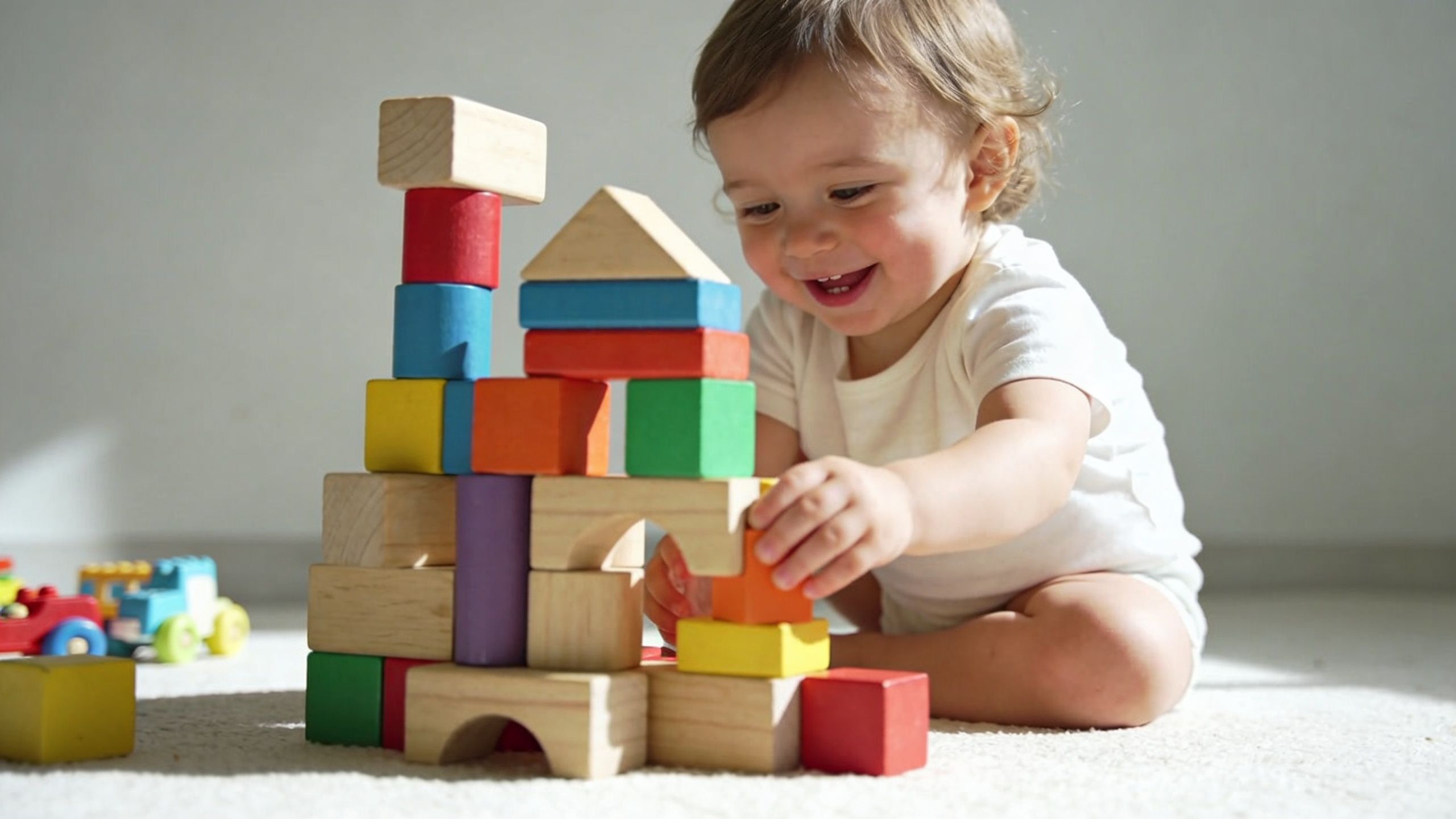
That might look like a toddler tower in the kitchen, a set of wooden blocks, chunky crayons, washable art supplies, a push cart, a simple doll, or books about feelings and routines. The point isn’t to keep them occupied with one flashy object. It’s to give them something they can return to in different ways as they grow.
A useful test is whether the toy leaves room for the child to decide what happens next. Blocks, stacking toys, pretend food, nesting pieces, and beginner musical instruments all tend to hold attention longer than toys that perform at the press of a button.
Gift categories that age well
Some categories are especially dependable on Amazon because there are many versions and parents can usually fit them into everyday life.
- Open-ended building toys like large wooden blocks or magnetic sets designed for younger toddlers.
- Practical life tools such as a child-safe kitchen helper, mini broom set, or step stool.
- Creative supplies including thick crayons, dot markers, and mess-managed drawing boards.
- Pretend play basics like toy food, doctor kits, dolls, or soft animal figures.
- Movement gifts such as push toys, balance-friendly ride-ons, or indoor stepping stones.
A short comparison helps here:
| Toddler gift type | Best for | Watch out for |
|---|---|---|
| Blocks and stacking toys | Fine motor skills and imagination | Tiny pieces for younger toddlers |
| Art supplies | Creativity and quiet play | Hard-to-clean materials |
| Pretend play | Language and social development | Overly themed sets with little flexibility |
| Practical life gear | Independence and daily routine | Space needs in smaller homes |
Toddlers also test durability in a way babies don’t. If the hinges feel flimsy, the cardboard is thin, or the wheels wobble in the product photos, keep moving.
A toddler gift should survive drops, stepping, dragging, and being “put away” at speed.
For this age, fewer better-made toys usually beat a large mixed bundle. Parents appreciate anything that plays well, stores reasonably, and doesn’t create a cleanup battle every evening.
Beyond the Toy Box Practical Everyday Essentials
Some of the most appreciated baby gifts don’t look especially exciting when wrapped. They become favorites because parents use them constantly.
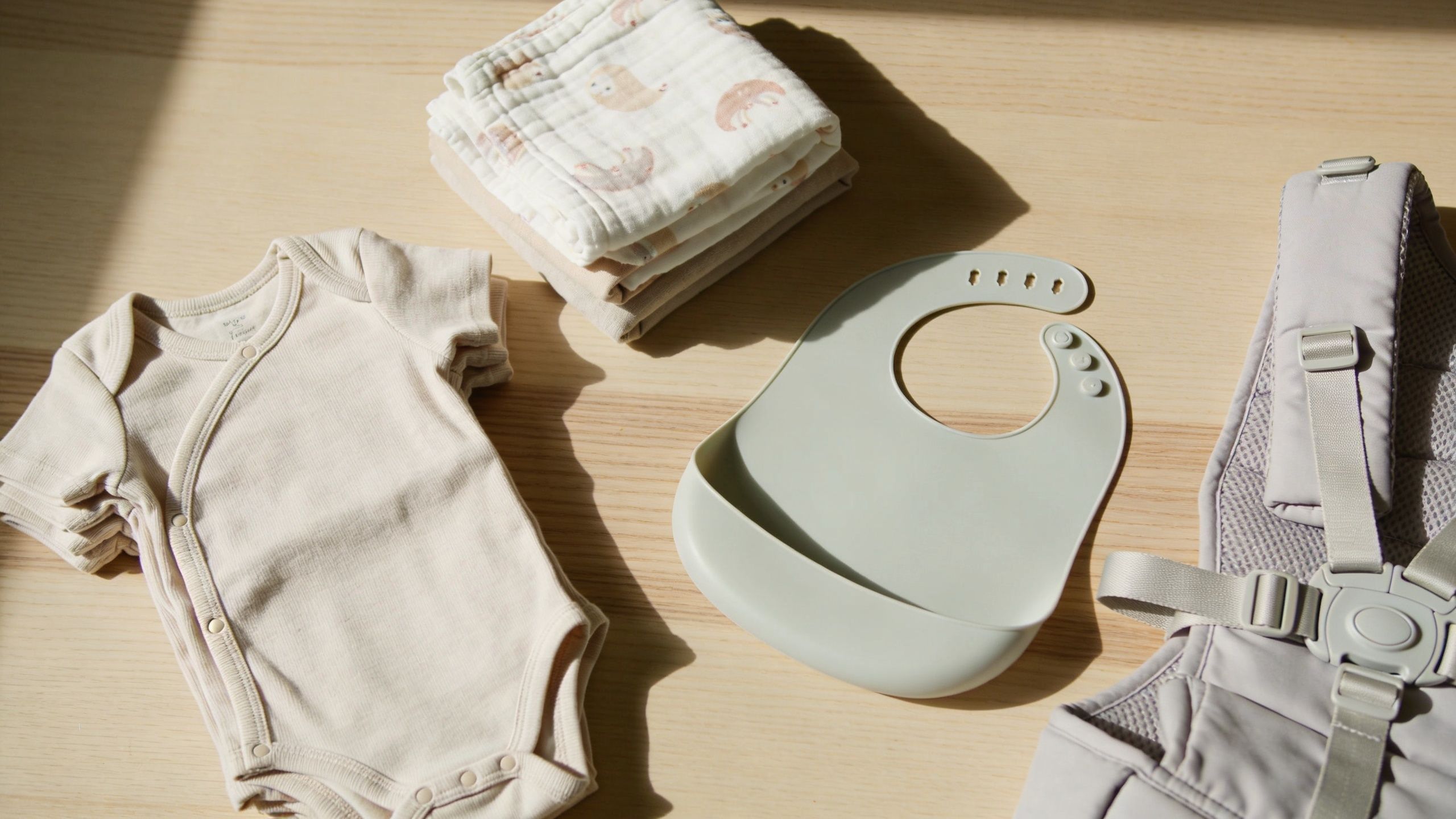
A 2026 overview of practical sustainable baby gifts notes that organic swaddles, burp cloths, and bibs rank among the most appreciated gifts because they serve high-frequency daily needs, and that time-scarce parents tend to favor useful gifts that ease the practical load of parenthood, according to this 2026 practical baby gift roundup.
That lines up with what many parents say after the newborn stage. They remember who gave them the things they kept washing, reusing, and reaching for.
Feeding and cleanup
Feeding generates a lot of laundry and a lot of mess, even in homes that are well prepared. Good gifts in this lane don’t need to be fancy.
Smart options include:
- Silicone bibs with a catch pocket
- Absorbent burp cloth sets
- Baby spoons with easy grips
- Snack containers for older babies and toddlers
- Water-resistant smocks for self-feeding stages
The best versions are easy to rinse, quick to dry, and uncomplicated to store. If a bib has creases that trap food or fabric that stains badly, parents notice.
Sleep and bath routine
Sleep and bath gifts work best when they reduce friction in recurring routines. Think calm, washable, and easy to use one-handed.
Helpful categories:
| Routine | Gift idea | Why parents like it |
|---|---|---|
| Sleep | Swaddles or sleep sacks | Used often and rotate through laundry |
| Sleep | White noise machine | Supports a consistent bedtime setup |
| Bath | Hooded towels | Useful beyond the newborn stage |
| Bath | Baby washcloths | Daily-use backup always helps |
| Care | Simple grooming kit | Small tools often become must-haves |
Out and about essentials
Leaving the house with a baby can turn one missed item into a hard morning. Gifts that support errands, appointments, or short trips often earn their place quickly.
A few dependable choices are a well-organized diaper bag, a portable changing mat, stroller clips, a compact spare outfit set, or a car organizer that keeps basics within reach. These aren’t glamorous purchases, but they cut down on scrambling.
There’s also value in creating a themed gift that feels intentional. A feeding kit, bath bundle, or diaper bag refill set often lands better than a random mix of unrelated small items. The family can use it right away and understand why each piece is there.
Gifts That Support the Parents Too
A baby gift doesn’t have to be only for the baby. Some of the smartest gifts support the people doing the caregiving, because when parents are less depleted, daily life gets easier for everyone.
Why parent support counts as a baby gift
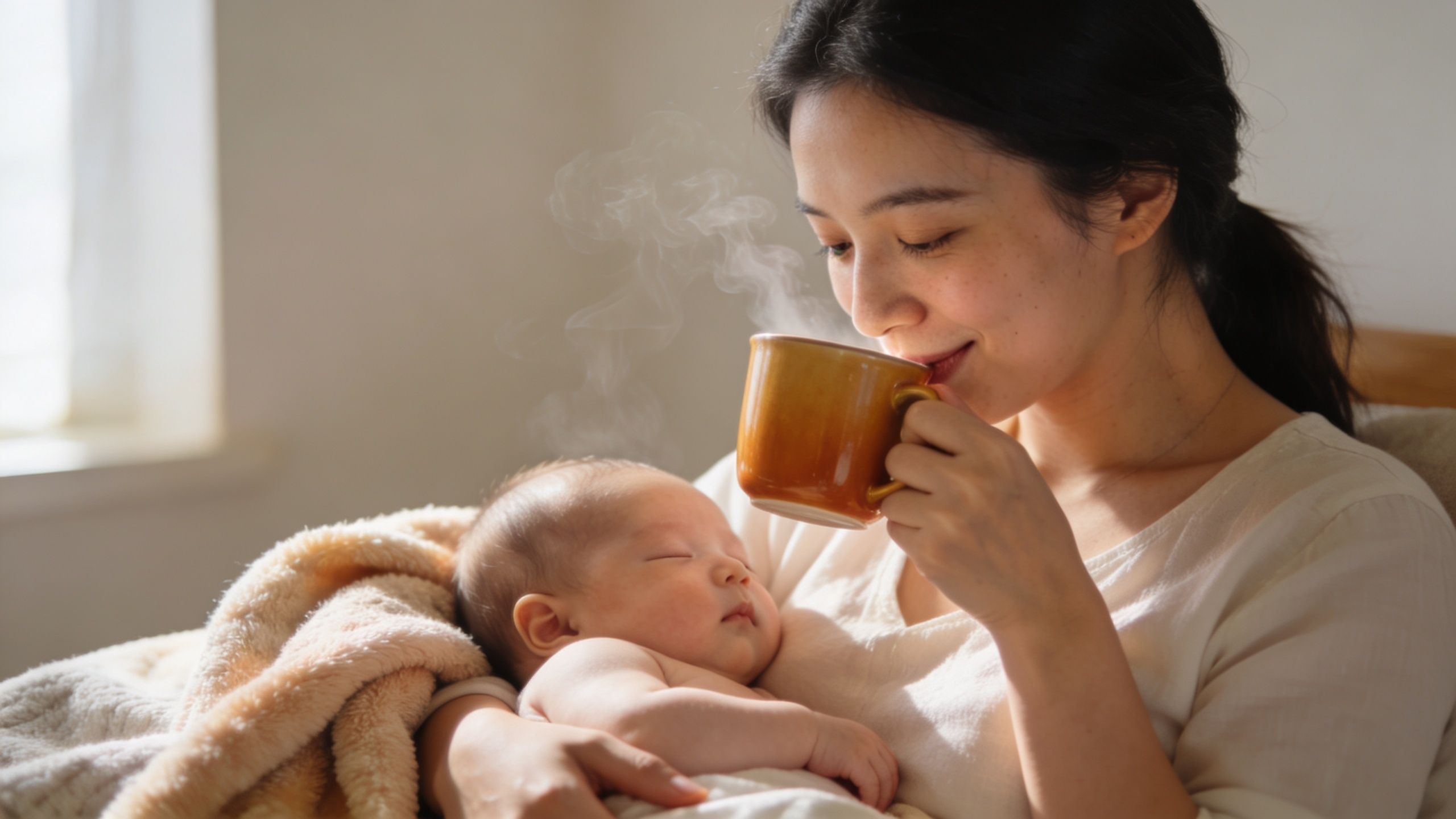
Expert recommendations around postpartum gifting increasingly include recovery and caregiver wellness. The Happiest Baby guide to push present ideas notes that products like the SNOO Smart Sleeper can add 1 to 2 hours of sleep per night, while gifts such as smart mugs and noise-canceling headphones support caregiver well-being. That’s a useful reminder that baby sleep and parent recovery are connected, not separate issues.
This category works especially well when the family already has plenty of baby gear. They may not need another toy or blanket. They may need something that helps them function.
The most useful parent-centered gifts
Good options on Amazon or through simple service gifting include:
- A smart mug that keeps coffee or tea warm through interruptions.
- Noise-canceling headphones for brief rest breaks or contact nap downtime.
- A soft baby carrier for hands-free soothing and movement. For families considering wraps, this guide to the Moby Wrap for newborn use can help you judge whether that style fits their routine.
- Meal delivery or grocery gift cards when you know the household could use practical support.
- Comfort items like a robe, supportive slippers, or a lap blanket for feeding sessions.
If you’re building a wider parent-care package, it can also help to look beyond standard baby categories. This list of discover healthy home gifts is useful for thinking about household comfort in a broader way, especially when you want a gift that supports recovery without adding clutter.
Support for the parents is not extra. In the early months, it’s part of caring for the baby.
The key is to choose something that removes friction rather than adding another task. Parents rarely complain that someone made meals easier or helped them stay a little more rested.
Gifting for Special Occasions
The right gift also depends on the moment. A baby shower asks for something different than a first birthday or a holiday visit.
Baby showers
For showers, registries still matter. They tell you what the family still needs and what they’ve already chosen for their home. If there’s a larger practical item left on the registry, that’s often a strong use of your budget, especially if you’re joining a group gift.
Off-registry works well when you stay close to essentials. A set of muslin swaddles, burp cloths, board books, or a practical parent-support gift usually lands well. If you want the present to feel polished, presentation helps. A plain useful gift can feel more personal with thoughtful wrapping, a written note, or a small add-on. If you like to make shower gifts look finished without getting overly fussy, these baby shower wrapping paper ideas can help.
First birthdays
A first birthday is a nice place to combine fun with longevity. This is a good time for open-ended toys, ride-on toys for new movers, stacking sets, beginner pretend play, or a keepsake book paired with something practical.
What usually doesn’t work as well is buying for a much older age in hopes the child will “grow into it.” That often means the gift gets put away and forgotten. Buying slightly ahead is fine. Buying far ahead usually isn’t.
A simple rule:
- For close family: A larger, longer-lasting item can make sense.
- For friends or classmates: A manageable toy, book, or practical set is often enough.
- For second or third children: Replaceable essentials and parent support gifts tend to be safer choices.
Holidays
Holiday gifting often benefits from smaller, easy-to-use items. Stocking-size gifts for babies and toddlers can still be useful if they match the child’s stage.
Good holiday choices include:
| Occasion need | Better pick | Less useful pick |
|---|---|---|
| Small but useful | Teether, board book, bib set | Tiny novelty trinkets |
| Festive but practical | Pajamas, bath toy, snack cup | Decorative nursery item |
| Family support | Grocery card, meal support | Duplicate stuffed animal |
Consumer Reports has highlighted an angle that many lists miss. Meal services, grocery gift cards, and restaurant comfort meals are rarely emphasized but are highly desired, with parents reporting they wished they had registered for these instead of less useful “nice-to-haves,” according to Consumer Reports on useful baby registry products.
That’s especially relevant for showers and early holidays. A gift doesn’t need to sit under a tree to be valuable. Sometimes the most appreciated present is dinner.
Your Confident Choice and Frequently Asked Questions
If you’re still deciding, come back to the simplest standard. The best baby gift ideas are the ones that fit daily life. They help with sleep, feeding, cleanup, development, movement, or caregiver well-being. They don’t create extra work, and they don’t rely on hype to feel meaningful.
A good gift can be small. It can also be shared as a group gift if the item has lasting use. What matters most is that the family can use it, store it, clean it, and appreciate it without effort.
Frequently asked questions
How much should I spend on a baby gift
Spend what feels comfortable for your relationship and your budget. There isn’t one correct number. A smaller practical gift chosen well is usually better than stretching your budget for something impressive-looking but less useful.
Is it ever okay to buy off-registry
Yes, as long as you do it carefully. Check the registry first to understand the family’s style and what they already have. Then choose something that solves a common problem, such as feeding mess, bath time, sleep, or daily logistics.
What are the best gifts for a second or third baby
Focus on consumable support, replacement essentials, or parent-centered help. Families with more than one child often already have gear. They’re more likely to appreciate fresh bibs, burp cloths, meal support, grocery cards, or something that helps them manage daily routines.
Should I buy clothes
Clothes can work, but they’re easier to miss on sizing, season, or parent preference. If you buy clothing, simple zip sleepers, practical layers, and slightly larger sizes tend to be safer than special-occasion outfits.
What if I have no idea what they need
Choose a practical bundle. A board book, silicone bib, burp cloth set, and grocery or Amazon gift card is hard to regret. It gives the family something useful now and flexibility later.
If you want more calm, research-based help choosing things families will use, visit Modern Parents Guide. It’s a practical resource for parents and gift-givers who want clearer buying decisions without the noise.
