
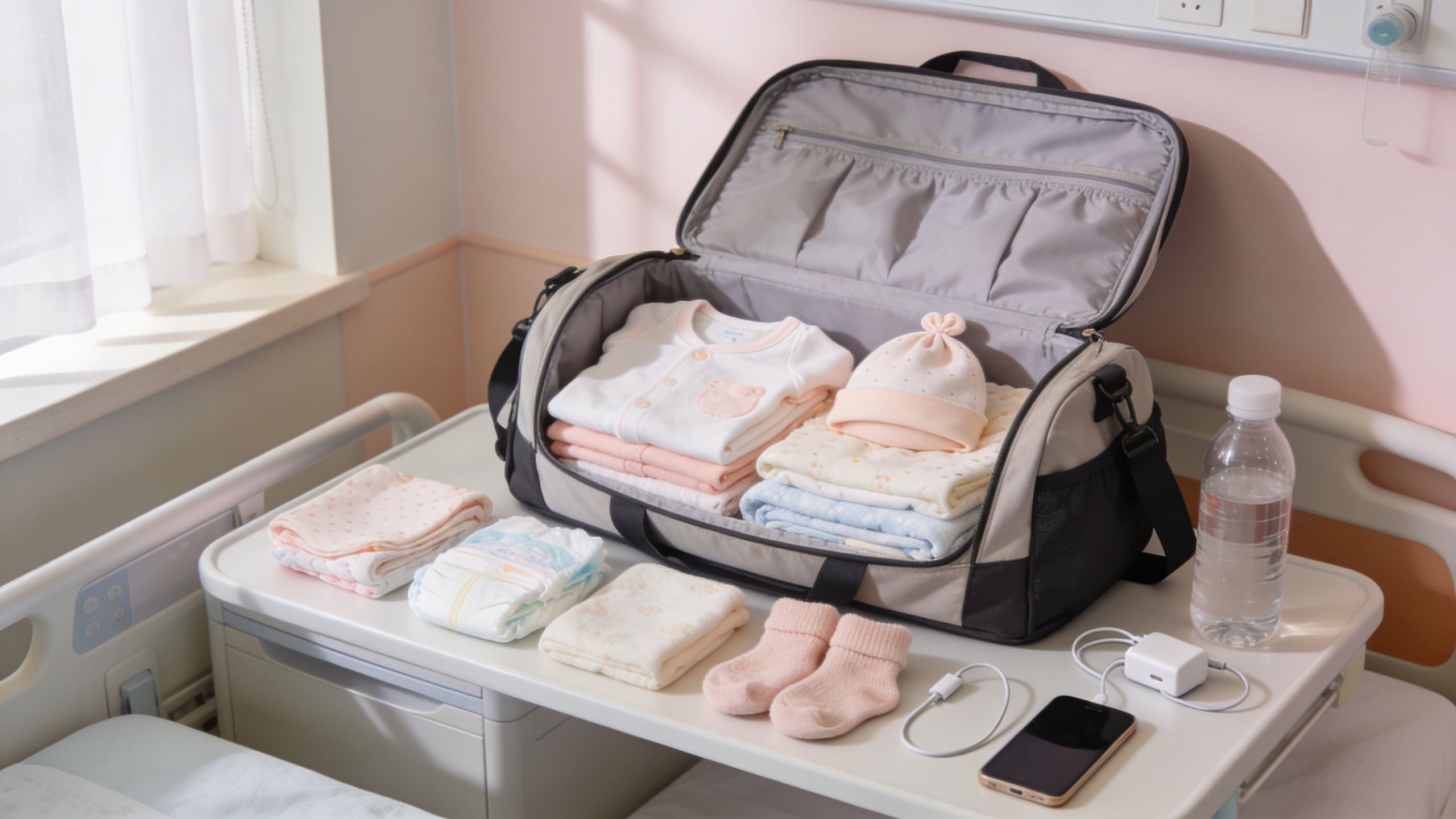
You’re probably looking at a notes app, a half-packed tote, and ten different hospital bag lists that all contradict each other. One says pack everything but the nursery. Another says bring almost nothing. By the time you’ve read a few, it’s easy to feel like there’s a secret test you might fail.
There isn’t.
Packing for birth isn’t about recreating home inside a hospital room. It’s about making a short, intense stretch of time feel a little easier. The best newborn hospital bag essentials are the items that solve real problems: keeping baby warm, getting everyone home safely, helping your body recover, and making long hours more comfortable.
A calm way to pack is to ask one question for every item: Will this help with comfort, recovery, feeding, or discharge? If the answer is no, it usually belongs at home.
That approach matters because most parents don’t need a giant suitcase for the baby. Hospitals typically cover a lot of the basics. What you’re really packing are the personal extras that make your specific situation smoother, whether that means planning for a C-section, hoping to breastfeed, or wanting your own socks and lip balm close by.
Table of Contents
- Feeling Overwhelmed by Hospital Bag Lists? Start Here
- The Core Philosophy What the Hospital Provides and What to Skip
- Your Newborn Hospital Bag Checklist for Baby
- What to Pack for Mom Comfort and Postpartum Recovery
- The Support Person’s Go-Bag Essentials for Partners
- Important Documents Paperwork and Practical Items
- Smart Packing Tips and How to Organize Your Bags
- Your Final Reassurance and Printable Hospital Bag Checklist
Feeling Overwhelmed by Hospital Bag Lists? Start Here
Most hospital bag lists are long because they combine essentials, comfort items, photo props, backup options, and someone’s personal preferences into one giant checklist. That’s how a practical task turns into a stressful one.
The better way to think about newborn hospital bag essentials is simple. Pack for the first few hours, the hospital stay, and the trip home. That’s it. If an item doesn’t fit one of those moments, it probably isn’t necessary.
Parents often worry most about underpacking for the baby. In practice, that’s usually the easiest part. Baby needs warmth, feeding support, a clean diaper, and a safe ride home. The rest depends on your preferences and what helps you feel settled.
Practical rule: Pack the non-negotiables first, then add a few comfort items, then stop.
This also helps when you’re making trade-offs. If you’re planning a C-section, high-waisted underwear and easy-on clothes matter more than decorative extras. If you’re hoping to breastfeed, a supportive nursing bra and nipple balm are more useful than a stack of baby accessories. If you’re delivering in cold weather, a proper hat and warm going-home layers deserve space before anything cute but fussy.
A calm bag doesn’t look impressive when it’s open. It looks usable.
Why this approach works
A hospital bag should reduce friction, not create it. You don’t want to dig through six outfits to find one clean sleeper. You don’t want your partner leaving to buy a phone charger. You don’t want discharge delayed because the car seat still needs to be figured out.
Think of this guide as a decision framework, not a rigid script. Some parents will pack one compact duffel and feel great. Others will want separate bags for labor, recovery, and baby. Both are fine if the bag reflects what you need.
The Core Philosophy What the Hospital Provides and What to Skip
A lot of anxiety disappears once you know this: hospitals worldwide supply approximately 80-100% of basic baby needs such as diapers, wipes, receiving blankets, and swaddles during a typical 2-3 day maternity stay, and overpacking occurs in 70% of cases per parent surveys according to The Bump’s hospital bag checklist.
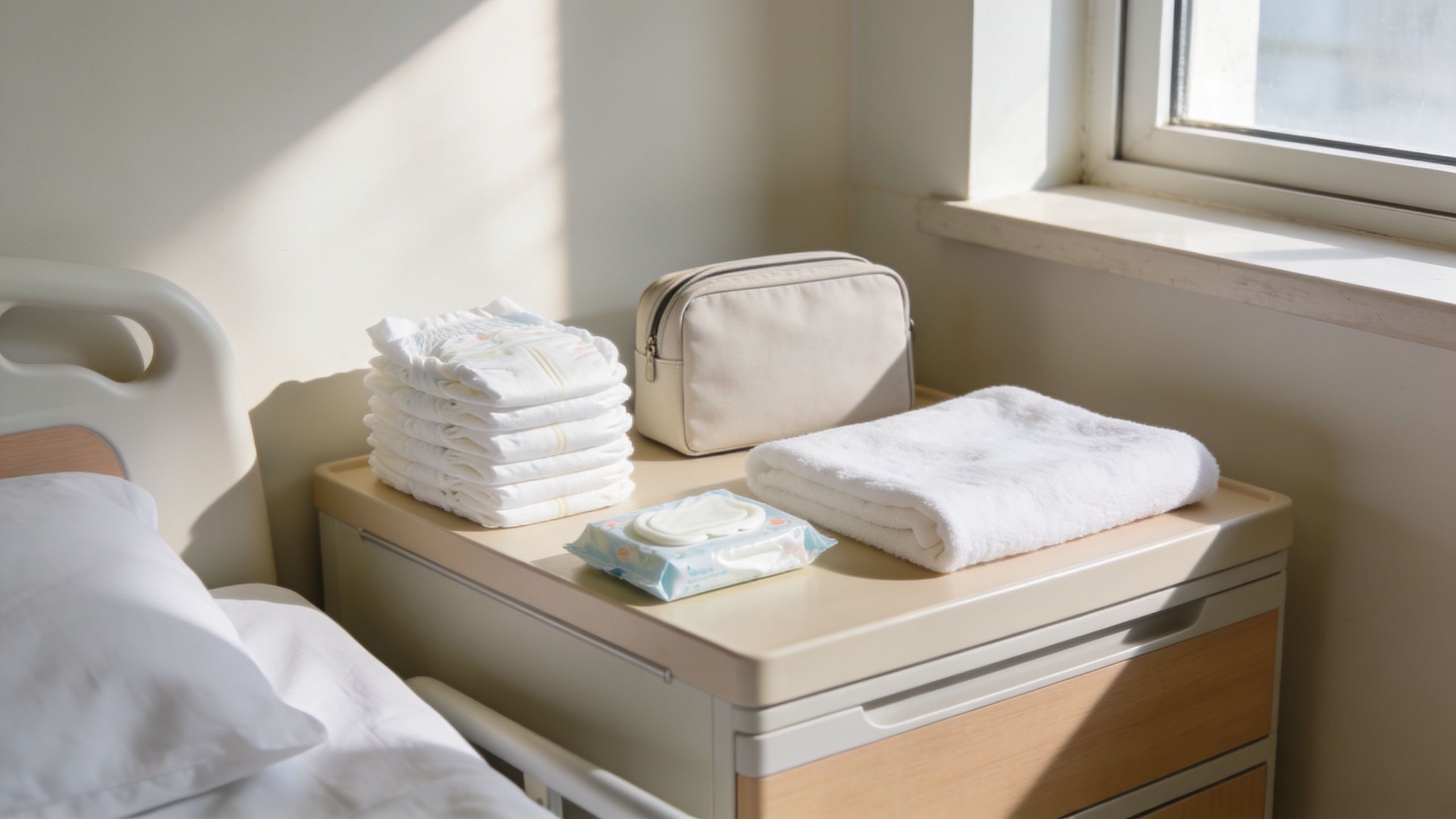
That doesn’t mean every hospital is identical. It means the default should be lighter packing, not heavier packing. Many parents show up with a full baby suitcase, then use only a few personal items and the going-home outfit.
Think in two categories
The easiest system is to divide everything into essentials and comfort enhancers.
| Category | What belongs here | Why it matters |
|---|---|---|
| Essentials | Car seat, baby going-home outfit, a couple of basic baby clothing layers, your ID and paperwork, phone charger, postpartum clothes | These solve discharge, recovery, and immediate comfort |
| Comfort enhancers | Your own robe, pillow, toiletries, snacks, nursing pillow, favorite blanket, slippers | These can improve the experience, but the hospital stay can still work without many of them |
If you start with comfort items, bags expand fast. If you start with essentials, you can see clearly what space is left and what’s worth adding.
Hospitals usually cover the basics better than parents expect. The gap is personal comfort, not core baby care.
What usually stays unused
Some things sound smart at home and become clutter in the room.
- Too many baby clothes: Newborns don’t need outfit changes for style. They need simple layers that are easy to remove and put back on.
- Large packs of diapers or wipes: The hospital commonly provides them during the stay.
- Bulky nursing gear: A nursing pillow can help, but a full feeding station setup usually isn’t necessary.
- Multiple blankets from home: One familiar blanket for discharge can be useful. A stack usually just takes up space.
- Complicated swaddles and accessories: In the hospital, simple is easier when staff are checking baby, helping with feeds, or doing diaper changes.
A good packing philosophy gives you permission to skip items without guilt. That’s the part many lists miss. You are not underprepared because you packed with intention.
Your Newborn Hospital Bag Checklist for Baby
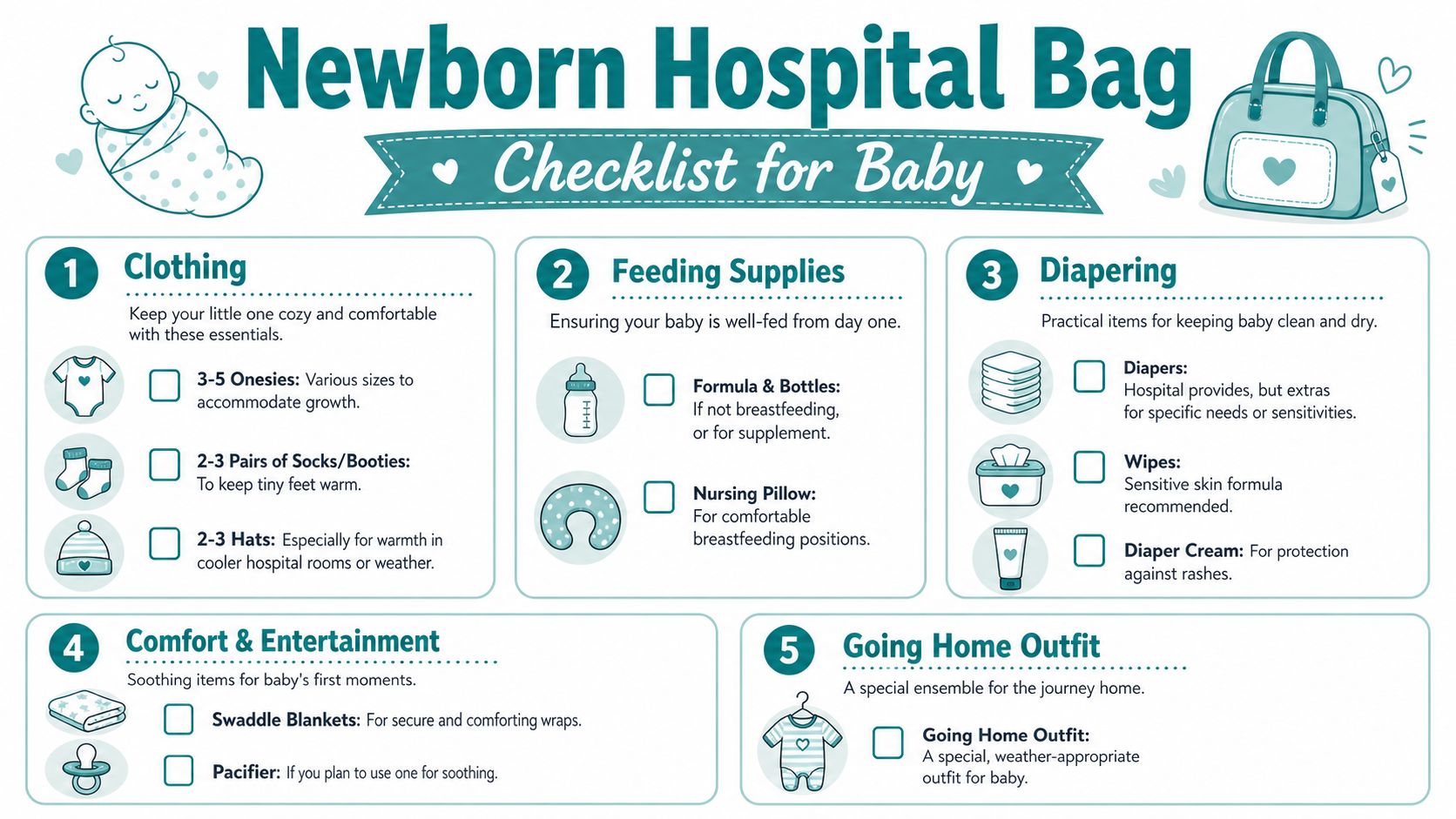
For the baby, think small and purposeful. The best newborn hospital bag essentials are the pieces that help with warmth, skin comfort, feeding, and the trip home. Most babies need less than parents think, especially during the actual hospital stay.
Clothing that earns its place
Start with clothing that’s easy for nurses and tired parents to manage.
- A few snap-front or zip sleepers: These make diaper changes and checks easier than outfits with several pieces. Look for soft cotton and simple closures.
- A couple of short-sleeve bodysuits or side-snap shirts: These work well as base layers under a sleeper or swaddle.
- One weather-appropriate going-home outfit: Choose for the car ride, not for photos alone. Soft seams and easy leg access matter more than ruffles or buttons.
- Socks or booties: Useful if your discharge outfit leaves feet exposed.
- Mittens if you want them: Some babies scratch their faces early, and mittens can help if you prefer them.
One item deserves special attention: the hat. Healthline’s hospital bag checklist notes that newborns lose up to 50% of their body heat through their heads, and a well-fitting newborn hat in the 33-35 cm circumference range helps with thermal regulation. It also notes that the American Academy of Pediatrics says hats can retain up to 85% of heat that would otherwise be lost. That’s why a plain, soft newborn hat beats a cute but awkward accessory every time.
A baby hat looks tiny and forgettable in the bag. In the first hours after birth, it does real work.
If you want a broader shopping baseline before you pack, this roundup of what to buy for newborn baby can help you separate true basics from registry filler.
Feeding and soothing items
This category depends on your plan and your hospital, so keep it flexible.
If you’re breastfeeding, you may not need much for the baby beyond a few burp cloths and maybe a nursing pillow if you already love one at home. If you’re formula feeding or planning to supplement, check your hospital policy, but many hospitals provide formula and bottles during the stay.
For soothing, a swaddle blanket can be worth bringing if you have a favorite muslin style that’s easy for you to use. Some parents like packing a pacifier if they already know they want one available. Others wait and decide later. Either approach is fine.
Diapering and skin care
Many parents' initial packing tends to be excessive.
In most cases, the hospital covers the basics for diapering during the stay, so your baby bag doesn’t need a full changing station. If you prefer a specific diaper cream or have a known sensitivity concern in the family, pack one small tube. Otherwise, keep this section minimal.
A simple baby diapering setup might include:
- One small diaper cream
- A few disposable bags or a wet bag for the trip home
- One extra muslin cloth or burp cloth
That’s usually enough for your own backup.
What to choose on Amazon
If you’re buying baby items for the bag on Amazon, aim for products with easy care and straightforward use.
Look for:
- Cotton sleepers with zippers or simple snaps
- Newborn hats with soft stretch and no bulky trim
- Light muslin swaddles
- Unscented diaper cream
- A compact diaper pouch rather than a fully loaded diaper bag
Avoid buying baby “hospital bag kits” just because they bundle things together. Bundles often include pieces that don’t solve a real problem in those first days.
A minimalist baby checklist can be enough:
- 2 to 3 easy outfits
- 1 going-home outfit
- 1 to 2 hats
- Socks or booties
- 1 to 2 swaddles or muslin blankets
- Pacifier if you plan to use one
- Small diaper cream if desired
That’s a practical baby bag. It covers what matters without turning a hospital stay into a moving day.
What to Pack for Mom Comfort and Postpartum Recovery
The parent who just gave birth usually needs more thoughtful packing than the baby does. That’s not because you need more stuff. It’s because recovery can feel very different depending on how labor goes, whether you have a vaginal birth or C-section, and what makes your body feel supported.
The clothes that feel best after birth
The best postpartum clothes are the ones that don’t fight your body.
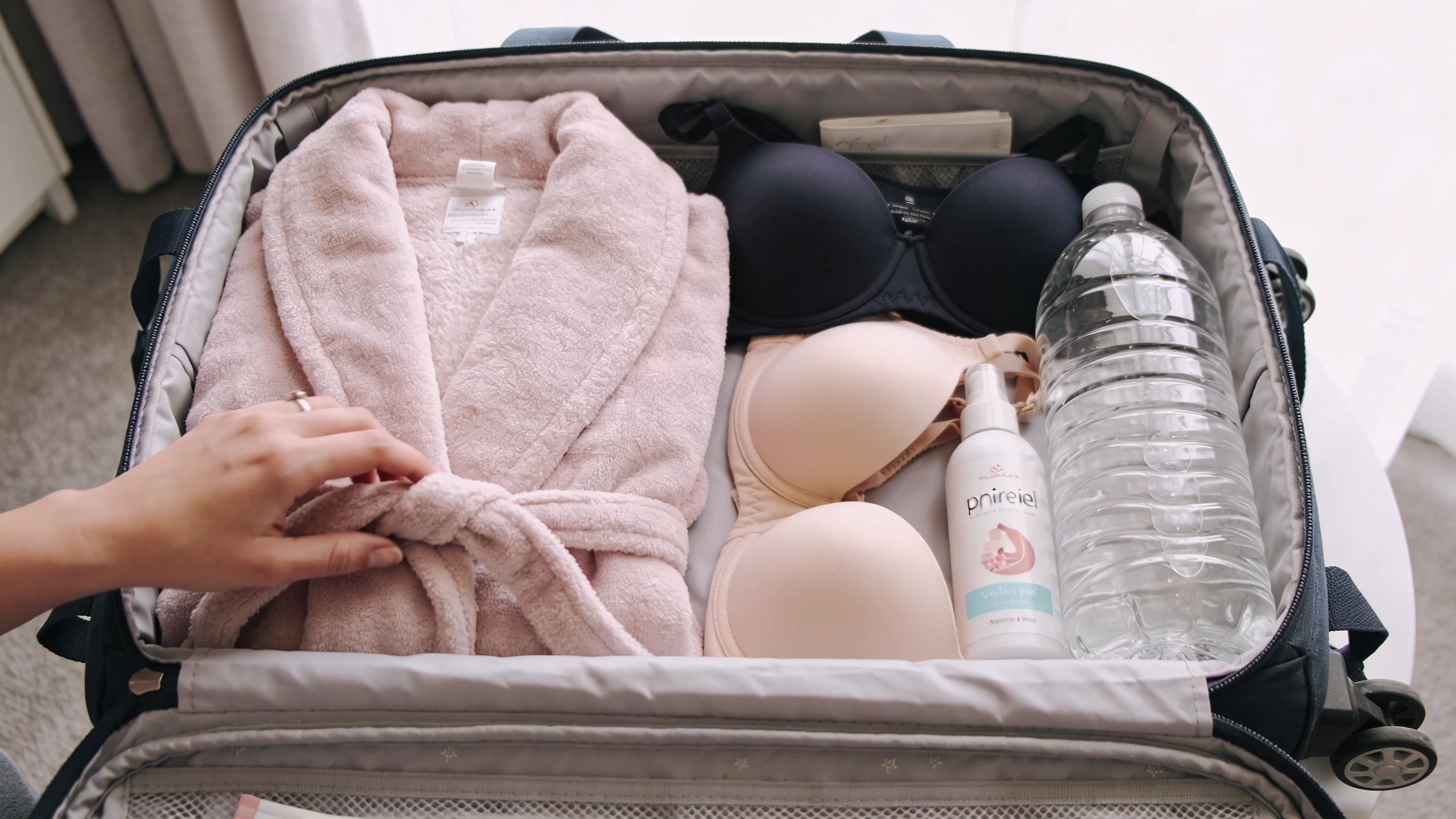
A soft robe is useful because it gives coverage fast, works for visitors, and layers easily if the room feels cold. A nursing-friendly nightgown or loose button-front pajama top can be better than a fitted shirt, especially if you’re doing skin-to-skin or learning to feed.
For bottoms, comfort changes by recovery type. After a vaginal birth, many parents like roomy pajama pants or loose joggers. After a C-section, anything that presses low across the incision can feel miserable. High-waisted underwear and very soft, high-rise pants are usually the better call.
A practical clothing list for mom often looks like this:
- A robe
- Nursing bras or soft bralettes
- High-waisted underwear
- Loose sleepwear
- Warm socks or slippers
- A simple going-home outfit with a forgiving waistband
Toiletries that pull more weight than expected
Hospital air can feel dry, and a few familiar toiletries can make you feel more human fast. This part of the bag isn’t about luxury. It’s about comfort and reset.
Pack a small toiletry pouch with the products you already use and trust:
- Toothbrush and toothpaste
- Face wash or cleansing wipes
- Deodorant
- Lip balm
- Hair ties or a claw clip
- Shampoo and body wash if you want your own
- Moisturizer
One of the most useful items in the entire bag is an extra-long phone charger. It’s not glamorous, but it solves a very common annoyance.
Bring the version of your routine that helps you feel steady, not the full bathroom cabinet.
Recovery items for vaginal birth and C-section
Generic lists often prove insufficient. Recovery has overlap, but the details matter.
For vaginal birth, most hospitals provide core postpartum supplies. You may still want your own comfortable underwear, peri bottle if you prefer a certain style, and one or two small extras that make sitting easier. If hemorrhoids are part of your recovery picture, this practical guide with expert advice on post-delivery hemorrhoids can be a useful read before you pack or head home.
For a C-section, think in terms of pressure, movement, and getting dressed without irritation. High-waisted mesh or cotton underwear is often more comfortable than anything that hits at the incision line. A loose nightgown can be easier than pulling pants on and off in the first day or two. Some parents also like bringing a small pillow to hold against the abdomen during the car ride home.
Here’s a simple comparison:
| Recovery need | Vaginal birth | C-section |
|---|---|---|
| Underwear | Soft, roomy, easy to change | High-waisted, gentle over incision area |
| Clothing | Loose pants or gown | Gown or very soft high-rise bottoms |
| Movement | Easy bathroom access matters most | Low-friction clothes matter most |
| Ride home | Comfort matters | Incision cushioning often matters more |
Nice to have items that are actually worth it
Some extras are worth the space because they solve common discomforts well.
A pillow from home can help with sleep, positioning, and the ride home. Slippers with grip are useful for walking the room or hallway. A small snack stash can be welcome after delivery, depending on your care plan and timing. A reusable water bottle with a straw also gets used more than almost anything else in the bag.
What’s usually less useful:
- Makeup bags packed for a full routine
- Tight leggings
- Anything white or delicate
- Several outfit changes
- Products you’ve never tried before
Postpartum recovery is not the moment to test unfamiliar fabrics, new nursing bras, or underwear that “might work.” Use what already feels comfortable.
The Support Person’s Go-Bag Essentials for Partners
Partners and support people often become the supply chain, the snack runner, the charger finder, the shoulder to lean on, and the person trying to stay calm while also staying awake. A separate bag helps them do that without borrowing from yours.
Why a separate bag matters
When the support person packs well, the whole room runs better. They’re less likely to disappear for basics, less likely to get cranky from hunger, and more able to stay present.
This matters even more if labor is long or if recovery takes unexpected turns. The support role works best when the person doing it has what they need close by.
A partner bag should cover comfort, hygiene, and stamina. It doesn’t need much, but it should be deliberate.
A short partner checklist that works
Pack this bag as if the support person may be there for a while and may want to stay overnight.
- A change of clothes: Comfortable T-shirt, underwear, socks, and something easy to sleep in.
- Basic toiletries: Toothbrush, toothpaste, deodorant, face wash, contact lens supplies if needed.
- Chargers and backup battery: One long cable is good. A power bank is better.
- Snacks and drinks: Familiar, easy, non-messy options are best.
- Headphones: Useful during quiet stretches or if one parent is trying to rest.
- Light layer or hoodie: Hospital temperatures vary.
- Wallet, keys, and parking details: Keep these together in one zip pocket.
If your support person has been helping with pregnancy back pain at home, it’s smart to understand the basics of heating pads and pregnancy safety before deciding whether to pack one or leave it behind.
A well-packed partner bag is not extra. It’s part of the plan.
One common mistake is packing only entertainment and forgetting practical items. A tablet won’t help much if there’s no clean shirt, no toothbrush, and no charger.
Important Documents Paperwork and Practical Items
This part of the bag doesn’t take much space, but it causes the biggest problems when it’s forgotten. Keep it all in one slim folder or zip pouch that’s easy to spot immediately.
Keep paperwork simple and visible
Most families do best with one document pouch that stays in the top of the main bag.
That pouch should usually include:
- Photo ID
- Insurance card
- Hospital registration paperwork if you’ve completed any in advance
- Birth preferences or birth plan if you have one
- A list of important phone numbers
- Any medications list or medical notes you want handy
For the birth plan, shorter is better. A one-page version is easier for staff to scan than a long document full of ideal scenarios. Focus on your clearest preferences, especially around labor support, pain management, immediate newborn care, and feeding.
The one item that is not optional
The infant car seat sits in a category by itself. According to Texas Children’s hospital bag guidance, an infant car seat is the sole item required for hospital discharge, and the American Academy of Pediatrics notes that rear-facing seats reduce fatal injury risk by 70% for infants. The same source also notes that hospitals require a demonstration of secure installation before discharge, and that 46-50% of child car seats are misused or improperly installed.
That changes how you should think about the bag. The car seat is not a last-minute errand. It’s a technical safety item that needs attention before labor starts.
Use this checklist:
- Install the seat early and learn how it tightens
- Read both the car seat manual and your vehicle manual
- Check the harness fit
- Make sure the seat is rear-facing
- Practice carrying or attaching the seat before birth
If you’re still narrowing down options, this guide to a Baby Trend infant car seat can help you compare features in a more practical way.
A birth plan can be adjusted. A forgotten or poorly installed car seat can stop discharge and add stress at the worst possible moment.
Smart Packing Tips and How to Organize Your Bags
The easiest hospital bags to use are not always the smallest ones. They’re the ones with clear jobs. A little structure saves a lot of rummaging later.
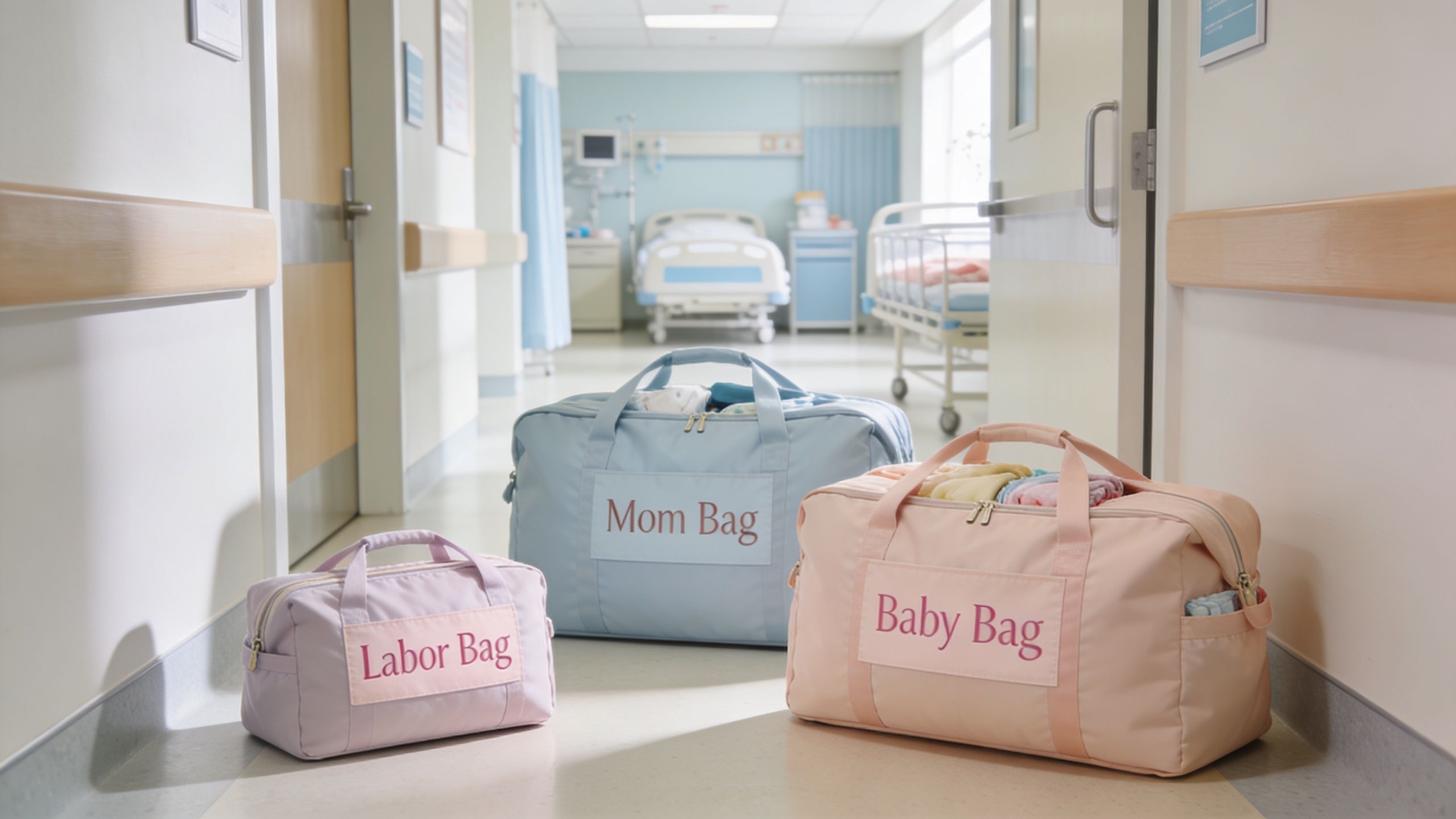
Pack by stage not by person alone
A smart setup is often three bags or sections.
- Labor bag: Phone charger, lip balm, hair tie, water bottle, snacks if allowed, music, massage tools, and anything you want immediately during labor.
- Recovery bag: Mom’s clothes, toiletries, postpartum items, nursing gear, slippers.
- Baby bag: Going-home outfit, spare clothes, hat, swaddle, diaper cream if desired.
This setup works because labor is one phase and recovery is another. If everything is in one big suitcase, simple needs become hard to reach.
A weekender tote, duffel, or soft-sided carryall usually works better than a hard suitcase for this. If you like the idea of a smaller bag with compartments, this travel packing guide for weekender totes offers some useful ideas you can adapt for hospital packing.
How to make the bag easy to use in the moment
Packing cubes are one of the few helpful extras here. One cube for baby clothes, one for mom’s recovery items, one for toiletries, and one for snacks can make a shared room feel much less chaotic.
You can also use clear zip pouches and label them:
- Baby clothes
- Mom toiletries
- Recovery
- Chargers
- Snacks
Small cloths multiply fast in early baby life, so tucking a few dependable burp cloths for newborns into the baby section is one of those low-effort decisions that often pays off.
Keep the top layer of each bag for the first thing you’ll need, not the thing you packed first.
That means your robe and charger should not be buried under discharge clothes. The baby’s going-home outfit should not be under a stack of optional accessories.
When to pack and where to keep it
Pack early enough that the bag becomes boring. That’s the goal. You want it done, checked, and sitting in an easy spot so nobody has to think hard when it’s time to leave.
A few practical habits help:
- Keep the bag by the door or in the car trunk once it’s ready
- Put the document pouch in the same place every time
- Leave a short note on top with last-minute items like phone, glasses, or medications
- Do a quick edit before your due date and remove anything that crept in “just in case”
The most effective organization method is usually the least dramatic one. Fewer bags than a vacation, more structure than tossing things into one tote.
Your Final Reassurance and Printable Hospital Bag Checklist
You do not need a perfect hospital bag. You need one that supports real life.
That means a safe car seat, a few baby basics, recovery clothes that won’t annoy your body, toiletries that help you reset, and enough structure that you can find what you packed. Everything beyond that is optional.
If you’ve been second-guessing yourself, this is the part to hold onto: newborn hospital bag essentials are mostly about comfort and function, not quantity. The room does not need to look well stocked. It needs to work.
If an item helps you recover, feed, stay comfortable, or get home safely, pack it. If it only looks good on a checklist, leave it out.
Printable checklist
For baby
- Infant car seat installed in the car
- Going-home outfit
- 2 to 3 simple sleepers or bodysuits
- 1 to 2 newborn hats
- Socks or booties
- 1 to 2 swaddles or muslin blankets
- Pacifier if you plan to use one
- Small diaper cream if desired
- Burp cloths or muslin cloths
For mom
- Photo ID and insurance card
- Robe
- Nursing bras or soft bralettes
- High-waisted underwear
- Loose pajamas or nightgown
- Warm socks or slippers
- Going-home outfit
- Toiletry bag
- Lip balm
- Hair ties
- Phone and extra-long charger
- Water bottle
- Snacks if desired
- Postpartum comfort items specific to your recovery
For partner or support person
- Change of clothes
- Underwear and socks
- Toiletries
- Hoodie or light layer
- Phone charger and power bank
- Snacks and drinks
- Headphones
- Wallet, keys, parking info
For paperwork and practical items
- Hospital forms
- Birth preferences
- Medication list if needed
- Pediatrician contact details
- Glasses or contact supplies
- Last-minute note for phone and daily essentials
If you want more calm, practical buying guides for baby gear, clothing, and everyday essentials, Modern Parents Guide is a helpful place to start. It’s built for parents who want clear advice, fewer regret purchases, and a simpler way to decide what’s worth buying.
