
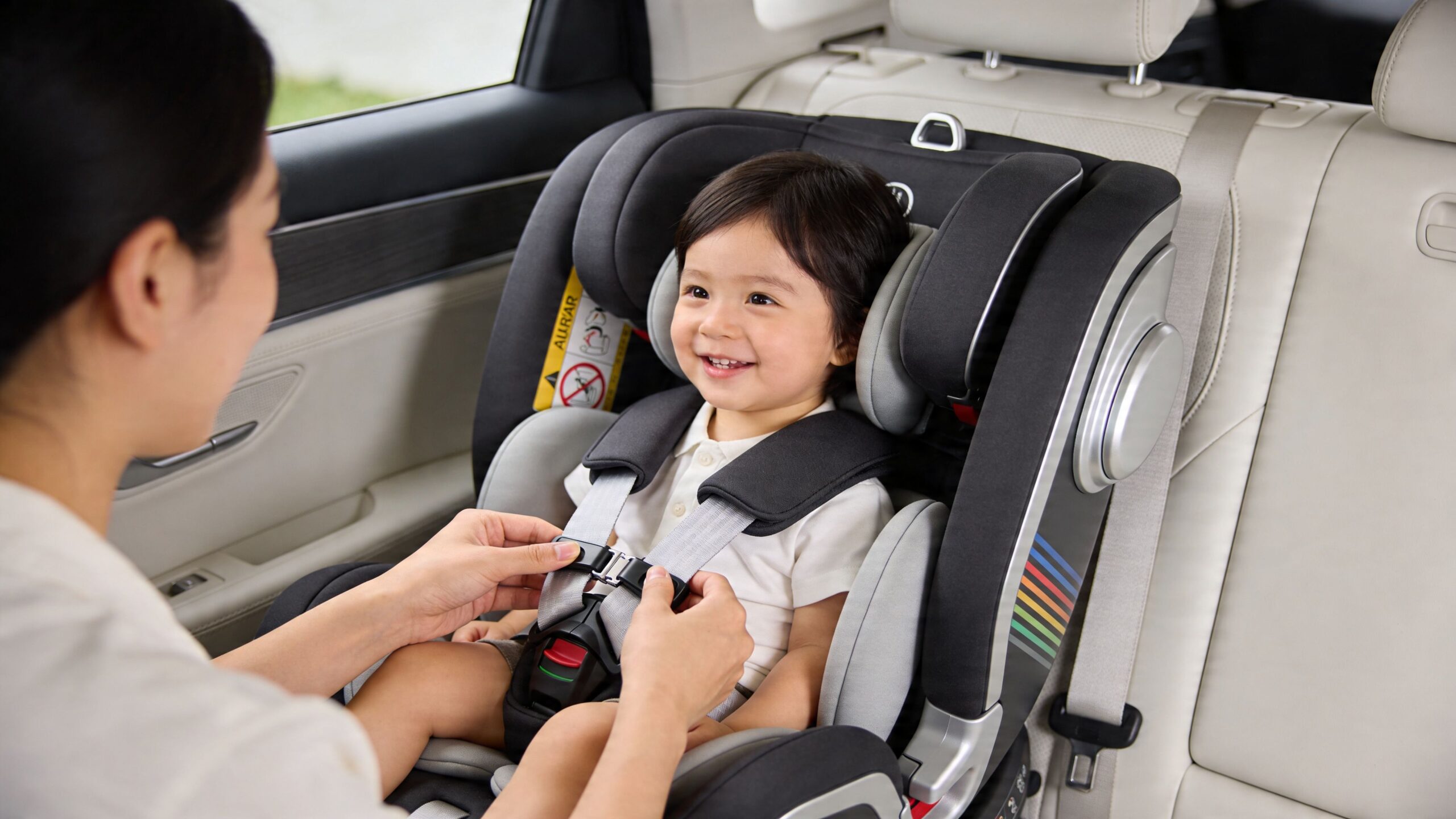
You’re probably here because you opened one tab to compare car seats, then somehow ended up with fifteen. One review says a seat is “the safest.” Another says a different one has better side protection. A third makes you feel like if you choose the wrong model, you’ve failed a test no parent ever wanted to take.
That spiral is common. It usually starts late at night, with a sleeping baby nearby or a due date getting closer, and a simple question that doesn’t feel simple at all. What’s the safest convertible car seat?
The reassuring answer is that this doesn’t have to be a hunt for one magical seat. It’s usually a process of finding a seat that fits your child well, works in your vehicle, and can be installed correctly every time without turning daily life into a struggle.
Your Search for the Safest Car Seat Starts Here
A lot of parents begin this search assuming there must be one clear winner.
You type “safest convertible car seat” into a search bar and expect a straightforward answer. Instead, you get long ranking lists, dramatic claims, and feature names that sound important but aren’t always explained in plain language.

I think the confusion comes from one basic mismatch. Parents are looking for certainty, but most car seat advice is written like a product showdown.
That’s not how real families choose well.
A seat can test well and still be a poor fit for your car. A seat can have excellent features and still be used loosely every day because the install is frustrating. A seat can look perfect online and feel awkward once you try to buckle a wiggly toddler in a cramped parking lot.
What most parents actually need
Most of us don’t need more hype. We need a calmer filter.
When you strip away the marketing, safety usually comes down to three things:
- A seat that meets current safety standards
- Features that can add protective margins or make good use easier
- Correct installation and correct everyday use
That last part matters more than many parents expect.
A helpful mindset: Don’t ask only “Which seat is safest?” Ask “Which safe seat can I use correctly, every single ride?”
That question tends to lead to better choices.
The better goal
If you’re shopping for a newborn, your checklist may center on rear-facing fit and how much room the seat takes up front to back.
If you’re shopping for a toddler, you may care more about extended rear-facing, easy harness adjustment, and whether grandparents can reinstall it without guessing.
If you move seats between cars often, installation simplicity may matter just as much as premium materials.
The safest convertible car seat for your family is rarely the one with the loudest claims. It’s the one that gives you confidence when you tighten the harness, check the belt path, and drive away knowing the basics are solid.
That’s the kind of confidence worth building.
Understanding What Car Seat Safety Really Means
You’re standing in a store aisle, staring at two convertible seats with very different prices, very different marketing, and the same promise to protect your child. That is usually the moment parents start wondering whether one seat is safe and the other is only pretending.
A calmer starting point helps.
All convertible car seats sold legally in the United States must meet Federal Motor Vehicle Safety Standard 213, or FMVSS 213, according to Safe in the Seat’s explanation of federal car seat standards. That federal standard is the floor every new certified seat has to clear before it can be sold.
FMVSS 213 works like a passing grade on a required exam. It does not mean every seat performs the same way in every car or feels equally easy to use. It does mean your decision is usually not about picking a “safe” seat instead of an “unsafe” one. Your real job is to compare safe options and figure out which one fits your child, your vehicle, and your daily routine best.
That shift matters.
It turns the search from a fear-based hunt into a practical evaluation. Instead of asking which seat has the loudest safety claims, ask which seat you can install correctly, buckle correctly, and keep using correctly when real life is messy.
A helpful way to judge safety is to separate it into three layers:
- Certification. The seat meets current legal crash-test requirements.
- Protection features. The seat includes design choices that may improve protection or reduce mistakes.
- Real-world use. The seat fits your child and car well enough that you can use it properly every ride.
The third layer is where many good decisions are won or lost. A seat can look impressive on paper and still be a poor match for a small back seat, a tall front-seat passenger, or a caregiver who struggles to get a tight install.
You may also see references to FMVSS 213a on newer seats. That rule applies to car seats designed for children under 40 pounds and adds side-impact requirements starting June 30, 2025, as noted earlier. You do not need to memorize the regulation. The useful takeaway is simpler. Newer seats in that category must meet added side-impact testing requirements, so the label tells you what standard the seat was built to satisfy.
That still does not replace fit and correct use.
A correctly used seat can protect a child far better than a fancier seat used loosely, with the wrong recline, or with extra slack in the harness. This is why “safest” is not a single product title. It is the result of matching a certified seat to your family, then using it the right way every day.
So read the federal label as reassurance, not as the end of the process. It tells you the seat cleared the baseline. After that, your questions become more personal and more useful. Does it fit your child’s size and stage? Does it install securely in your car? Will you feel confident using it during school drop-off, grocery runs, and handoffs to grandparents?
If you are comparing advice from different countries, check the rules for the place where the seat will be used. Car seat law is not identical everywhere, which is why online guidance can sound inconsistent. This overview of UK Child Car Seat Laws is a helpful example of how legal requirements can differ by country.
Key Features That Genuinely Enhance Protection
Once you know every certified seat starts from a federal safety baseline, the next question becomes more practical. What features are worth paying attention to?
Product pages often get messy. They throw around technical terms without explaining what they do in a crash, or whether they matter to your daily use.
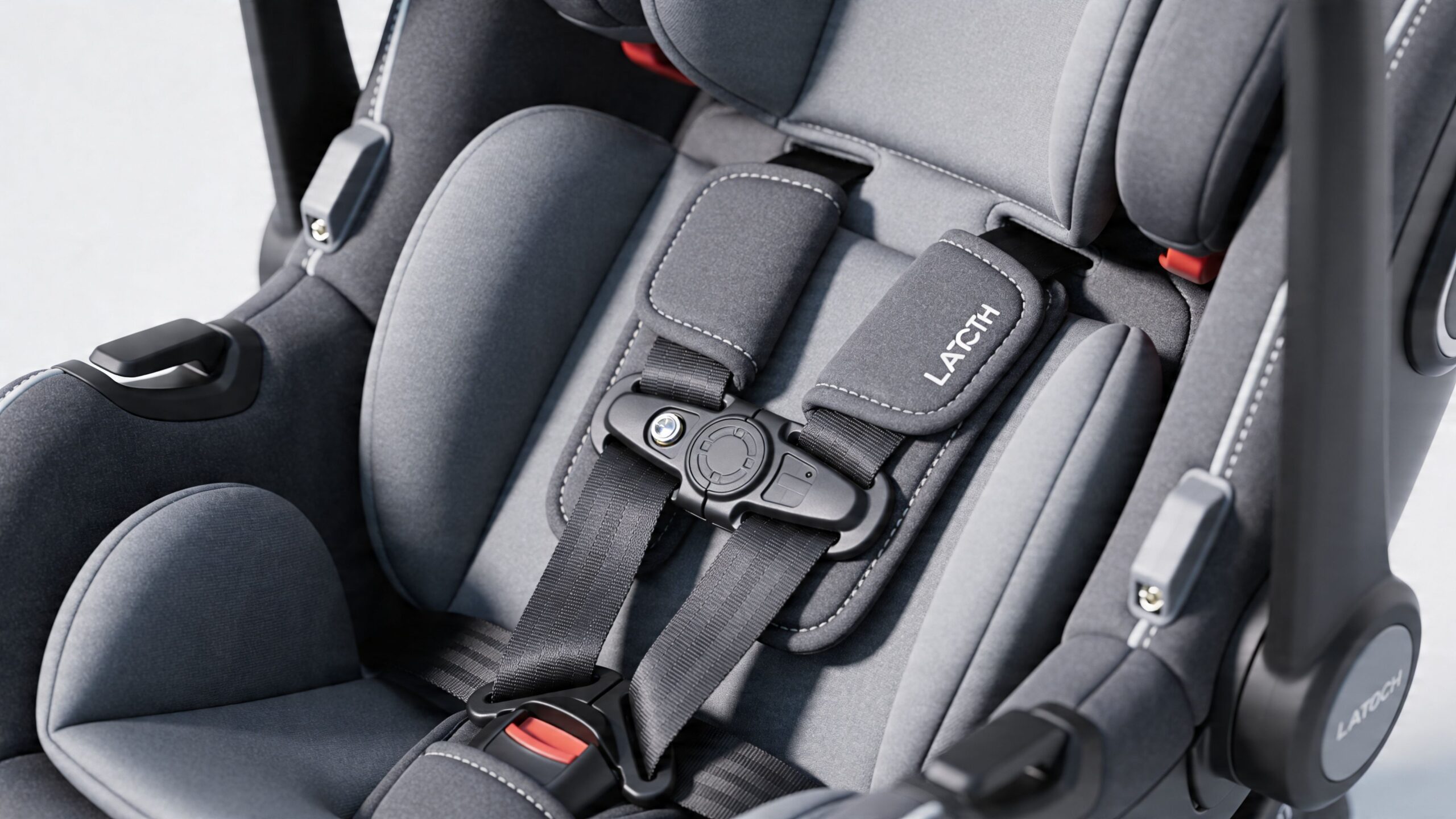
A calmer way to evaluate a seat is to look at it like a small protective system. Each part has a job.
What independent crash testing looks at
Some organizations go beyond the federal minimums in their own testing. Consumer Reports notes that independent crash tests can measure Head Injury Criterion, or HIC, and chest G-forces to evaluate protection margins, in its guide to choosing the safest car seat.
You don’t need to become an engineer here.
A plain-language version is enough:
- HIC looks at head injury risk in a simulated crash.
- Chest G-forces look at the forces acting on the chest.
- Lower readings are better because they suggest the seat is managing crash energy more effectively.
That’s why some seats stand out in independent testing even though all certified seats meet federal requirements.
Structural features that deserve your attention
Some safety features are about the seat’s basic build.
Think of the frame as the skeleton of the seat. A stronger internal structure helps the seat stay stable and manage force.
Consumer Reports points to the Clek Foonf as a notable example, describing it as using an aircraft-grade aluminum structure along with a patented energy management system in its overview of advanced car seat protection features.
That doesn’t mean every family needs that exact seat. It does show what to look for when a brand talks about structure in a meaningful way instead of using vague words like “premium” or “ultra safe.”
Here are the structural pieces worth understanding:
- Reinforced frame: This is the seat’s core support. Brands may use steel or other strong materials to improve rigidity.
- Energy-absorbing foam: This works a bit like the protective foam in a bike helmet. It helps manage impact forces.
- Deep side wings or side protection areas: These surround the child’s head and torso more substantially and can help with side-impact management.
Features that help during crash motion
Crash motion isn’t just one single shove. The seat and child can move through more than one phase.
That’s where two specific features come up often in higher-end seats.
| Feature | What it helps with |
|---|---|
| Load leg | Helps reduce forward rotation during the initial crash phase |
| Anti-rebound bar | Helps protect against rearward rotation during the second phase |
Those definitions come directly from the Consumer Reports testing overview linked above.
For a parent, the practical takeaway is simple. These aren’t decorative extras. They’re designed to control how the seat moves when forces hit it.
Practical rule: If two seats both fit your child and vehicle well, features that reduce crash motion are worth taking seriously.
Real examples that help decode reviews
Reviews can be more useful when you know how to read them.
Consumer Reports highlighted the Graco 4Ever DLX for earning its best crash test rating, noting very low chest clip sensor G-forces and strong combined HIC and chest clip results in its testing. That gives you a concrete example of what “performed well” can mean.
The same source also notes the Graco Premier SnugRide SnugFit XT earned a rating of 87 in its tests.
These examples aren’t proof that one seat is automatically right for every child. They’re helpful because they show what independent evaluators are looking at when they compare protective performance among already-certified seats.
Features that help safety by helping parents
Some features aren’t directly about absorbing crash force. They matter because they make correct use more likely.
For example:
- Easy-to-adjust harnesses make it less tempting to leave straps too loose.
- Clear recline indicators reduce guesswork.
- Accessible belt paths and lock-offs can make installation more consistent.
- No-fuss headrest adjustment helps you keep the fit current as your child grows.
These details often get dismissed as convenience. In practice, convenience can support safety if it helps tired parents avoid mistakes during everyday use.
A complicated seat isn’t automatically safer.
How to read marketing without getting pulled in
When a product page lists ten safety features, pause and sort them into three buckets:
- Certified baseline
- Added protective design
- Convenience or comfort
That makes comparison easier.
A cup holder may make life nicer. It isn’t a safety feature. A load leg is different. A reinforced frame is different. Deep side protection is different.
Once you learn that vocabulary, the safest convertible car seat stops feeling like a mystery product and starts feeling like a clearer decision.
A Perfect Installation Is the Safest Installation
This is the part parents can control most directly.
You can buy a seat with strong test results and thoughtful design, but if it shifts too much or the harness is loose, you won’t get the protection the seat was built to provide.
The single most useful check comes from BabyGearLab’s guidance on installation. The seat should have less than 1 inch of movement at the belt path for optimal performance, as explained in its article on the best convertible car seat.
That sentence carries a lot of weight.
The belt path check
The belt path is the place where the seat is secured with either the LATCH connectors or the vehicle seat belt.
Use your hand right there and tug side to side and front to back. Don’t test movement from the top of the seat. That can mislead you because taller seats naturally have some give higher up.
You’re checking the base where it’s installed.
If it moves more than 1 inch at the belt path, it isn’t tight enough according to that BabyGearLab guidance.
If you only remember one installation rule, remember the belt path check.
LATCH or seat belt
Parents often assume LATCH is always safer because it feels more “built in.” That isn’t the best way to think about it.
In everyday use, the better method is usually the one that gets you the most secure installation in your specific car while following both the vehicle manual and the car seat manual.
A simple comparison helps:
| Method | Often helpful when | Watch out for |
|---|---|---|
| LATCH | You want a straightforward attachment method and your child still fits the allowed limits | Some families forget to switch methods if their child grows beyond the allowed use for that setup |
| Vehicle seat belt | You get a tighter install this way, need flexibility in seating position, or are beyond LATCH use for that setup | It can feel less intuitive at first, so you need to follow the belt path carefully |
Neither method gets a gold star just for existing. A tight, correct install does.
If you’re also comparing seat styles and everyday usability, this look at a Joie baby car seat can help you think about how design choices affect real-life use.
Harness tightness is not the same as installation tightness
These are two different checks.
A seat can be tightly installed and still have a loose harness on the child. BabyGearLab recommends using the pinch test at the child’s collarbone. If you can pinch webbing between your fingers, it’s too loose.
Parents sometimes leave slack because tight straps look uncomfortable. I understand that instinct. But the harness works by holding the child in the safest position during a crash, and that requires a snug fit.
Rear-facing as a primary safety goal
If you’re choosing between seats, one feature worth noticing is a 40-lb rear-facing weight limit, which BabyGearLab identifies as important because rear-facing lowers cervical spine stress by 5 times compared with forward-facing in biomechanical studies, according to that same source.
That’s why many parents prioritize extended rear-facing when shopping for a convertible seat.
It’s not about making life harder or keeping a child in a babyish stage. It’s about supporting the position that better protects the head, neck, and spine for longer.
A calm install routine
Installation gets easier when you stop treating it like a one-time puzzle and start treating it like a repeatable routine.
Try this simple order:
- Read the labels on the seat first. They often show the correct belt path and recline guidance.
- Choose one install method. Don’t use both unless the manual specifically says you can.
- Tighten at the belt path. Put pressure where the seat compresses into the vehicle seat while tightening.
- Check movement only at the belt path.
- Place your child and do the pinch test at the collarbone.
This is the kind of routine that turns panic into muscle memory.
Common Car Seat Mistakes and How to Avoid Them
Most car seat mistakes aren’t dramatic. They’re small daily shortcuts that feel harmless.
A harness sits a little loose because your toddler is fussy. The chest clip drifts low after a rushed daycare drop-off. A puffy winter coat stays on because everyone is cold and late.
These are common. They’re also fixable.
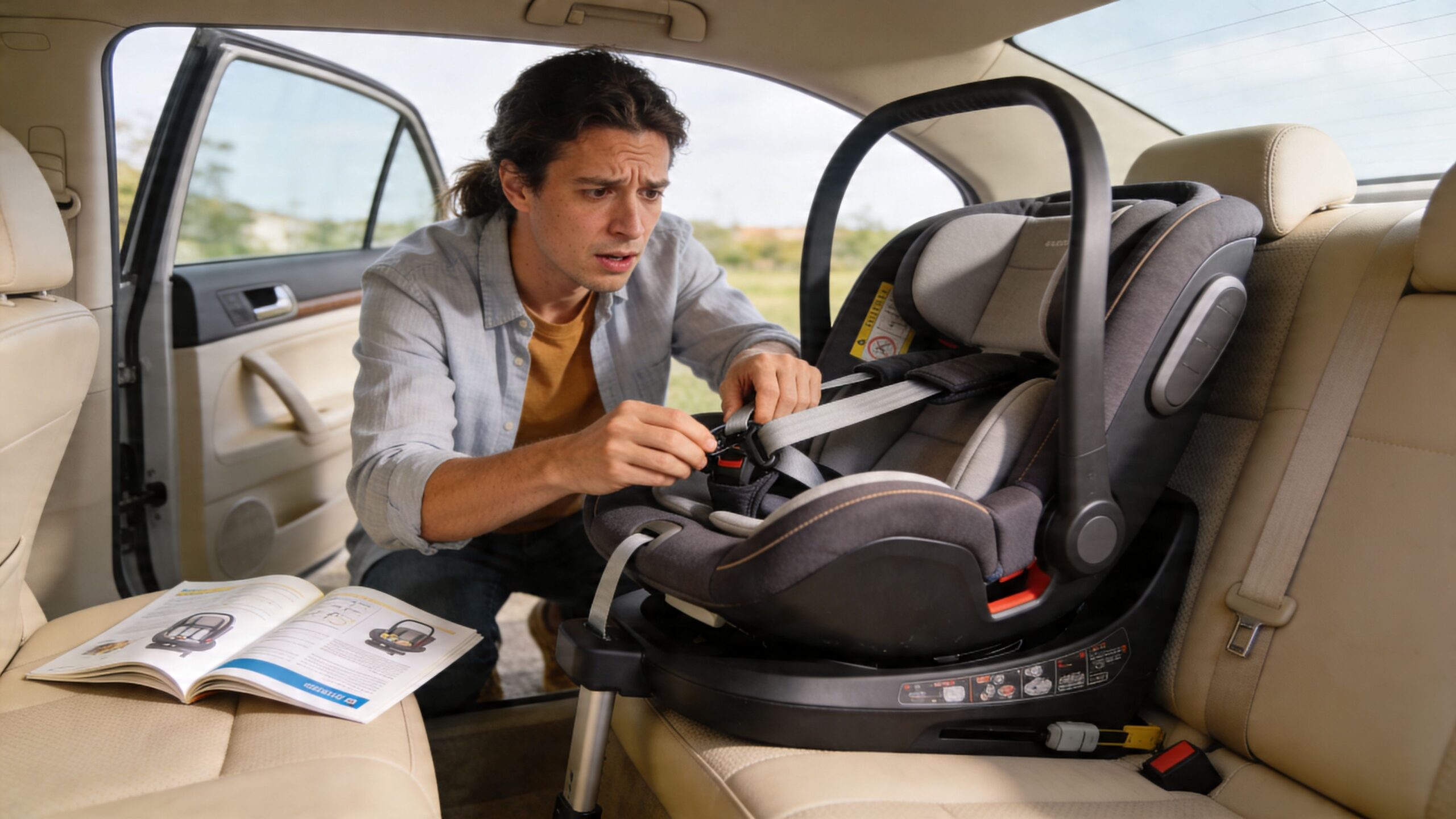
Loose harnesses feel kind, but they aren’t protective
A snug harness can look uncomfortable to an adult eye. Especially on a baby in soft clothes.
But “comfortable” and “secure” aren’t the same thing in a car seat. If there’s visible slack, the child can move more than intended in a crash.
A useful habit is to pause after buckling and do the pinch test every single ride until it becomes automatic.
Chest clip placement gets missed all the time
A chest clip that slides down toward the belly isn’t doing its job as intended.
The easy visual cue is armpit level. If you remember that phrase, you’ll catch this mistake quickly.
Many parents tighten the harness, then forget to slide the chest clip back up after a child wiggles around. That’s especially common with toddlers who dislike staying still for even ten seconds.
Bulky coats change the fit
Winter gear is one of the sneakiest issues because it looks cozy and harmless.
A thick coat can create extra space between the harness and your child’s body. The straps may seem snug over the coat, but not over the child. Once the coat compresses, the fit can become much looser than it looked at first.
For cold-weather layering ideas that don’t rely on heavy bulk under straps, this guide to a baby boy coat can help you think through practical options.
A good harness fit should be checked on the child, not on the puffiness of the clothing.
Moving forward-facing too soon
Parents often think moving to the next stage means moving to the safer stage.
That’s a very understandable assumption. Bigger seat, older child, next milestone.
But milestone logic doesn’t always match safety logic. Rear-facing is often worth preserving as long as the child still fits the seat’s limits and the setup still works for daily use.
A toddler with bent legs may still be perfectly fine rear-facing. Leg position often worries adults more than it bothers kids.
Add-ons can create new problems
Aftermarket inserts, strap covers, head supports, and seat protectors can be tempting because they promise comfort, neatness, or extra support.
The problem is simple. If an accessory didn’t come with the seat or isn’t specifically approved for that model by the manufacturer, you can’t assume it has been evaluated as part of that seat’s performance.
That doesn’t mean every add-on is automatically dangerous. It means guessing isn’t a good plan.
A quick self-audit for daily use
If you want a practical reset, run through these questions before your next drive:
- Harness snug enough: Can you pass the pinch test?
- Chest clip high enough: Is it sitting at armpit level?
- Clothing low-bulk enough: Would the harness still fit the same without the coat?
- Rear-facing still possible: Has your child outgrown it, or are you just feeling pressure to move on?
- Accessories approved: Did this item come with the seat or get approved for it?
None of these corrections requires perfection. They require attention. That’s a much more realistic standard for busy parents.
Checking Expiration Dates and Recalls
A car seat can look clean, sturdy, and barely used, then still not be the right seat to use.
That’s why expiration dates and recall checks matter.
Where to find the important label
Start with the label on the seat itself.
Look along the sides, back, underside, or base. Manufacturers usually place a sticker or molded label somewhere on the shell. You’re looking for a few basics:
- Model name or model number
- Date of manufacture
- Expiration information
- Manufacturer contact details
This can feel like a small scavenger hunt the first time. Once you find the label, take a clear photo of it with your phone. That saves time later.
Why expiration exists
Parents are often surprised that car seats expire at all.
The reasoning is practical. Materials age. Plastic and foam don’t stay exactly the same forever. Instructions and standards also change over time, which matters for a product designed to manage crash forces.
If you’re borrowing a seat from a friend or reusing one from an older sibling, don’t assume it’s fine just because it still looks okay.
Register your seat right away
When you buy a new seat, fill out the registration card or complete the online registration with the manufacturer as soon as possible.
This step is easy to postpone, especially when you’re opening baby gear boxes and juggling ten other tasks. But it’s one of the simplest ways to make sure recall notices reach you directly.
Keep a note in your phone with the model number and registration date. That turns future recall checks into a quick task instead of another household mystery.
Don’t wait until you hear about a recall online. Registering gives you a direct path for updates.
If you already own the seat
If the seat is already in use, check the label details and then look up whether there are any active recall notices for that exact model.
Match the model number carefully. Similar product names can cause confusion, especially when brands release updated versions.
Also inspect the seat thoroughly. If you don’t know its history, can’t verify its age, or can’t confirm whether all original parts are present, that uncertainty matters.
A used seat isn’t always a bad choice. An unknown used seat is much harder to trust.
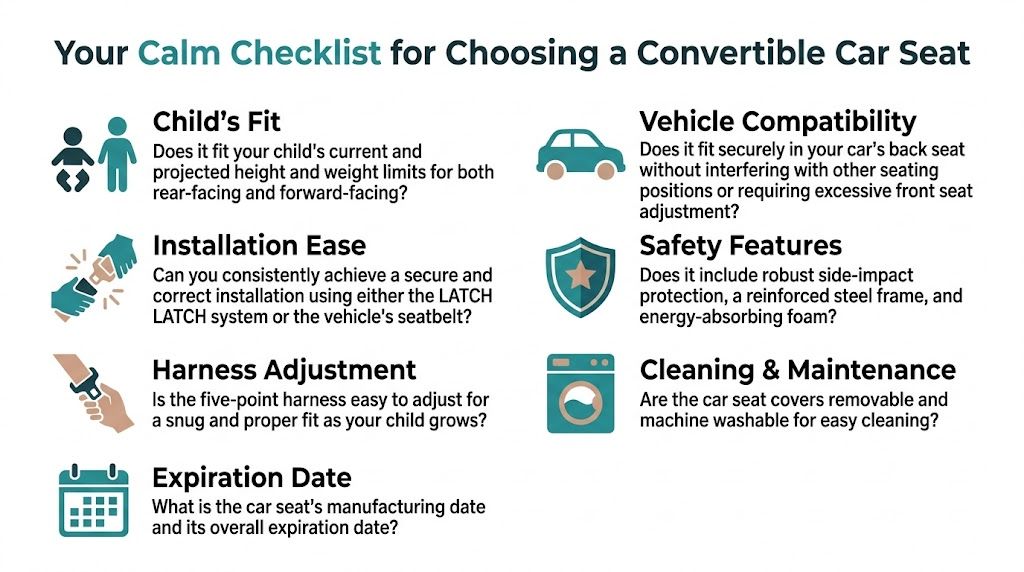
A Calm Checklist for Choosing Your Convertible Car Seat
At this point, the safest convertible car seat should feel less like a mystery and more like a decision you can work through.
You don’t need to memorize crash terminology or buy the most expensive model on the shelf. You need a seat that fits your child, fits your car, and fits the way your family lives.
Ask questions about your child
Start with fit, not branding.
- Current size matters first. Check whether the seat fits your child now without awkward harness positioning or guesswork.
- Growth matters next. If rear-facing longevity is important to you, look closely at the rear-facing limits and overall shell fit.
- Daily temperament matters too. A child who hates buckling may do better in a seat with easier harness adjustment and a simpler loading routine.
Ask questions about your vehicle
In this situation, many “top rated” seats become less impressive.
A great seat on paper can be a frustrating seat in a compact back seat. If you drive a smaller car, have tall front passengers, or need space for another child or adult, seat dimensions and install angle matter a lot.
Use this short vehicle-focused filter:
| Question | Why it matters |
|---|---|
| Does it fit securely in your back seat? | A seat that technically installs but crowds everything else can become a daily hassle |
| Can you achieve a tight install easily? | Confidence matters because you may need to reinstall it again |
| Will it work with your seating layout? | Other kids, carpools, and front-seat legroom all affect long-term satisfaction |
Ask questions about your lifestyle
This part gets skipped too often.
If one parent will install the seat once and leave it there for years, a heavier or more complex model may be perfectly fine. If the seat will move between cars, travel with grandparents, or be reinstalled often, ease of use becomes much more important.
Consider things like:
- Cleaning: Are the covers manageable when snacks and spills happen?
- Adjustment: Can you raise the headrest and tighten the harness without a fight?
- Complexity: Will every caregiver understand how to use it correctly?
- Budget: Are you paying for real features you value, or just extra branding?
If you’re comparing options across brands and trying to keep the decision practical, this overview of a Baby Trend car seat is one example of how to evaluate a seat beyond buzzwords.
A final shopping filter
When you narrow your list, ask yourself one quiet question before you click buy.
If I’m tired, running late, holding a diaper bag, and buckling a squirmy child in the rain, can I still use this seat correctly?
That question catches a lot of things specs don’t.
The best choice usually isn’t the seat with the most dramatic marketing. It’s the one you trust yourself to use well.
That’s what turns research into confidence.
If you want more calm, practical buying guides that cut through product overload, visit Modern Parents Guide. It’s a useful place for everyday parent decisions when you want clear information, simple comparisons, and less second-guessing.
